

What is block printing, and why Jaipur?
Block printing Jaipur refers to the process of pressing hand-carved wooden blocks, dipped in dye, onto fabric to create a repeated pattern. It is one of the oldest textile-printing methods in the world, and Jaipur's surrounding villages have been centres of it for centuries because the region had the three things the craft requires: cotton from nearby growing areas, a dry climate for drying printed fabric outdoors, and water sources for washing and fixing dyes.
The craft is still done by hand. A single block prints one colour of one section of a pattern. A finished fabric with three or four colours means three or four separate passes, each with a different block, each aligned by eye. No two pieces are identical.
Bagru vs. Sanganer: two villages, two techniques
Most guides mention both villages in the same breath. They shouldn't. The techniques are genuinely different.
Bagru
Bagru block printing is defined by the dabu technique: mud-resist printing using natural dyes. The village sits 32 km from central Jaipur on the Jaipur–Ajmer Road, roughly 45 minutes by car.
- Technique: dabu (mud-resist) printing. Fabric is coated in a mud paste in the areas meant to resist dye, then dipped. The mud washes off, leaving the undyed pattern behind.
- Dyes: indigo (deep blue), madder root (red), pomegranate (earthy brown), turmeric (yellow). All plant-based.
- Result: earthier, more muted palette than Sanganer's brighter output.
- Who does it: hereditary printing families, many working from rooftops and courtyards rather than factories. Fabric dries in the open air along village lanes.
- Workshops: Jai Texart and Studio Bagru are the most established. Sessions run 2 to 4 hours and cost roughly ₹600 to ₹2,500 depending on depth.


Sanganer
Sanganer block printing produces finer, more intricate designs with brighter colours, influenced by Persian and Mughal decorative traditions. The village sits 16 km south of Jaipur, roughly 30 minutes by car.
- Technique: direct printing rather than resist printing. Blocks are pressed directly onto fabric in sequence, one colour at a time.
- Dyes: historically natural, now a mix of natural and synthetic depending on the workshop.
- Result: crisper, more detailed, and often more colourful than Bagru's earthier output. Sanganer received a geographical indication (GI) tag in 2010 for its distinctive printing style.
- Also known for: handmade paper (kagzi), a separate craft tradition worth seeing if combining both villages in a day trip.
Planning a block printing day trip from Jaipur
A day trip combining both villages is realistic but long. Most visitors choose one.
If you choose one
- For the craft process and natural dyes: Bagru. The dabu technique is genuinely unique to this village, and the natural-dye palette gives it a character Sanganer's brighter output doesn't share.
- For finer, more intricate textiles and a shorter drive: Sanganer. Closer to Jaipur, with a wider range of finished products to buy.


Practical tips
- Morning visits get the best light and catch artisans mid-work. Afternoon visits may find the drying and fixing stages rather than the printing itself.
- Wear clothes you don't mind staining. Natural dyes are permanent.
- Most workshops include chai and a chance to print your own piece of fabric as a souvenir.
- October to March is the most comfortable season for the drive and the outdoor parts of the visit. The dye pits and drying areas are open-air.
- Buy directly from the workshop rather than from the bazaars back in Jaipur. The price is lower and the provenance is certain.
Why this matters beyond a day trip
Block printing is not a tourist activity invented for visitors. It is an active, commercially significant craft that employs entire communities in both villages. A workshop visit is a window into how the textiles actually reach the bazaars, not a simulation of it. Understanding what dabu printing is, or why Sanganer's patterns look different from Bagru's, changes what a visitor sees when they walk through Johari Bazaar or Tripolia Bazaar later that day. The craft is explored further in the tourist attractions in Jaipur guide.

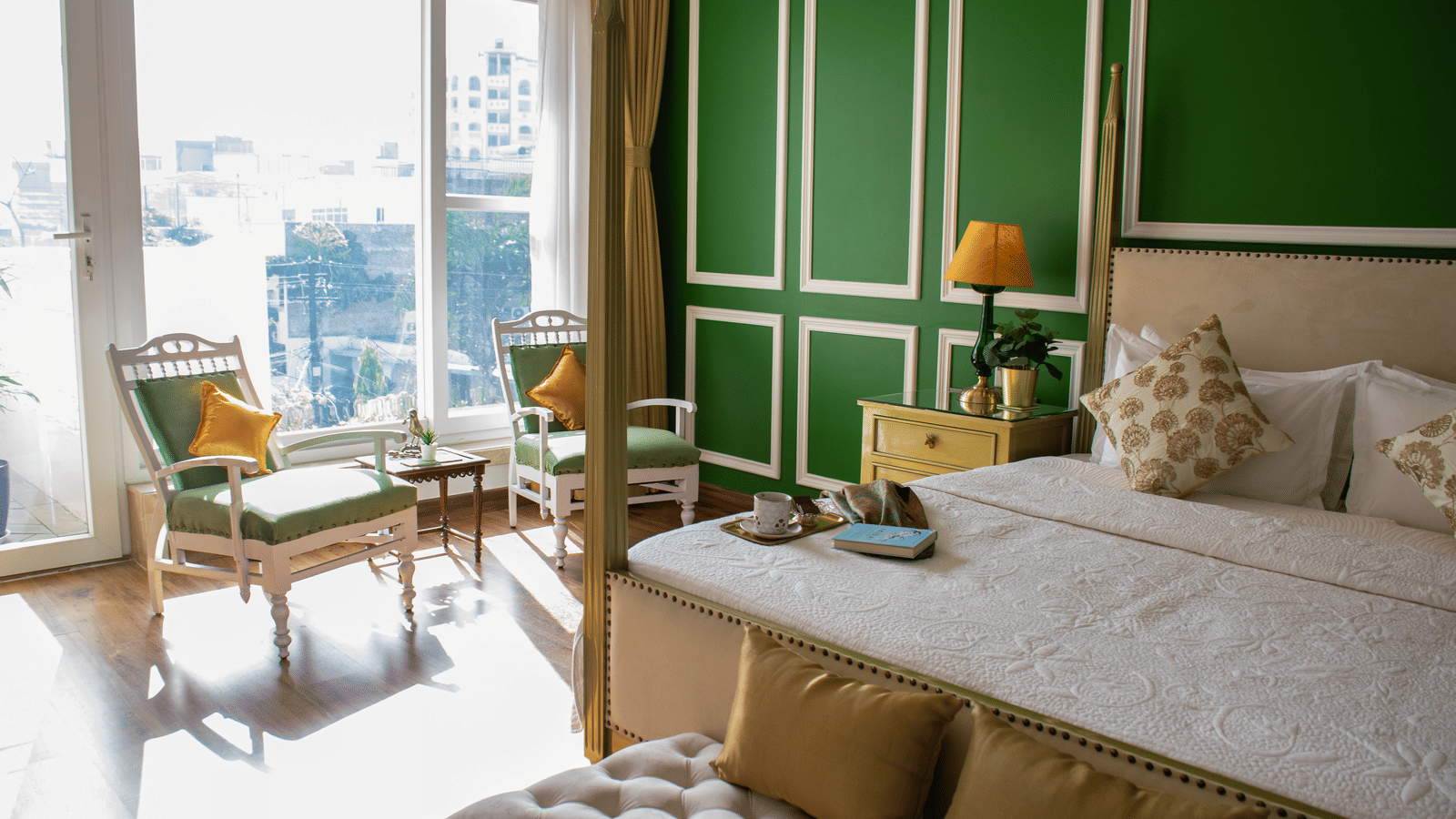
Where to stay for a block printing day trip
Both villages are an easy day trip from central Jaipur. Dera Rawatsar and Dileep Kothi both sit close enough to make a morning departure comfortable, with a return by mid-afternoon leaving the rest of the day for the old city's bazaars, where the same textiles are sold in their finished form. For a ready-made plan, see Seeing Jaipur in Two Days from Dera Rawatsar.