The History Behind the Palace of Winds
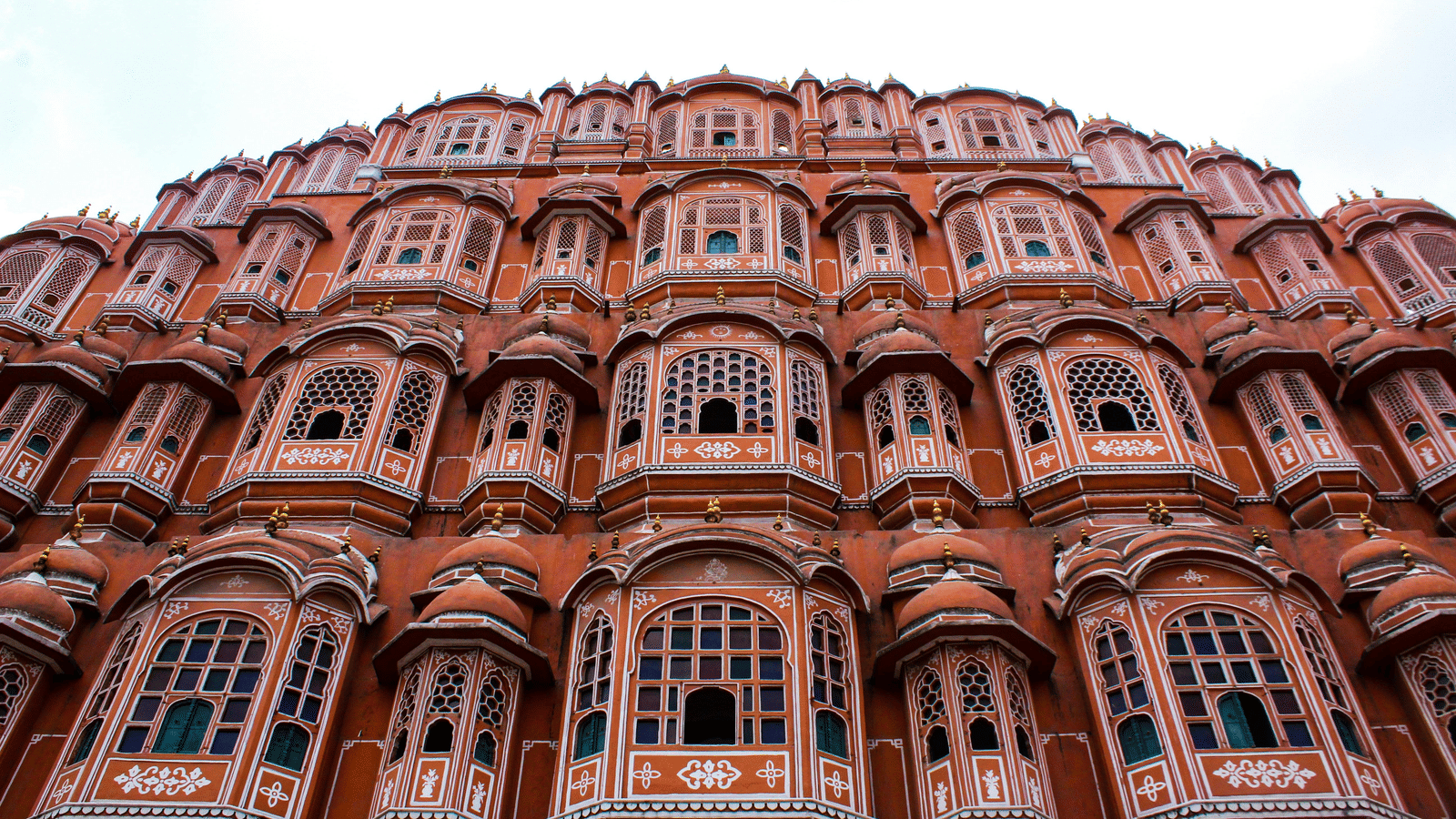
The construction of this distinctive palace was undertaken in 1799 by the visionary Maharaja Sawai Pratap Singh. The design was the brainchild of the chief architect, Lal Chand Ustad, and was intended as an extension of the adjacent City Palace.The structure is famed for its unique 5-storey elevation, which resembles a giant beehive or a honeycomb, crafted entirely from delicate red and pink sandstone. Crucially, the facade features no conventional, straight foundation, relying instead on its pyramidal shape for structural integrity.
When learning about Hawa Mahal, its architectural genius lies in its simplicity and artistic embellishment. It seamlessly blends Hindu, Islamic, and specifically Rajput, styles of architecture on a single, breathtaking canvas.
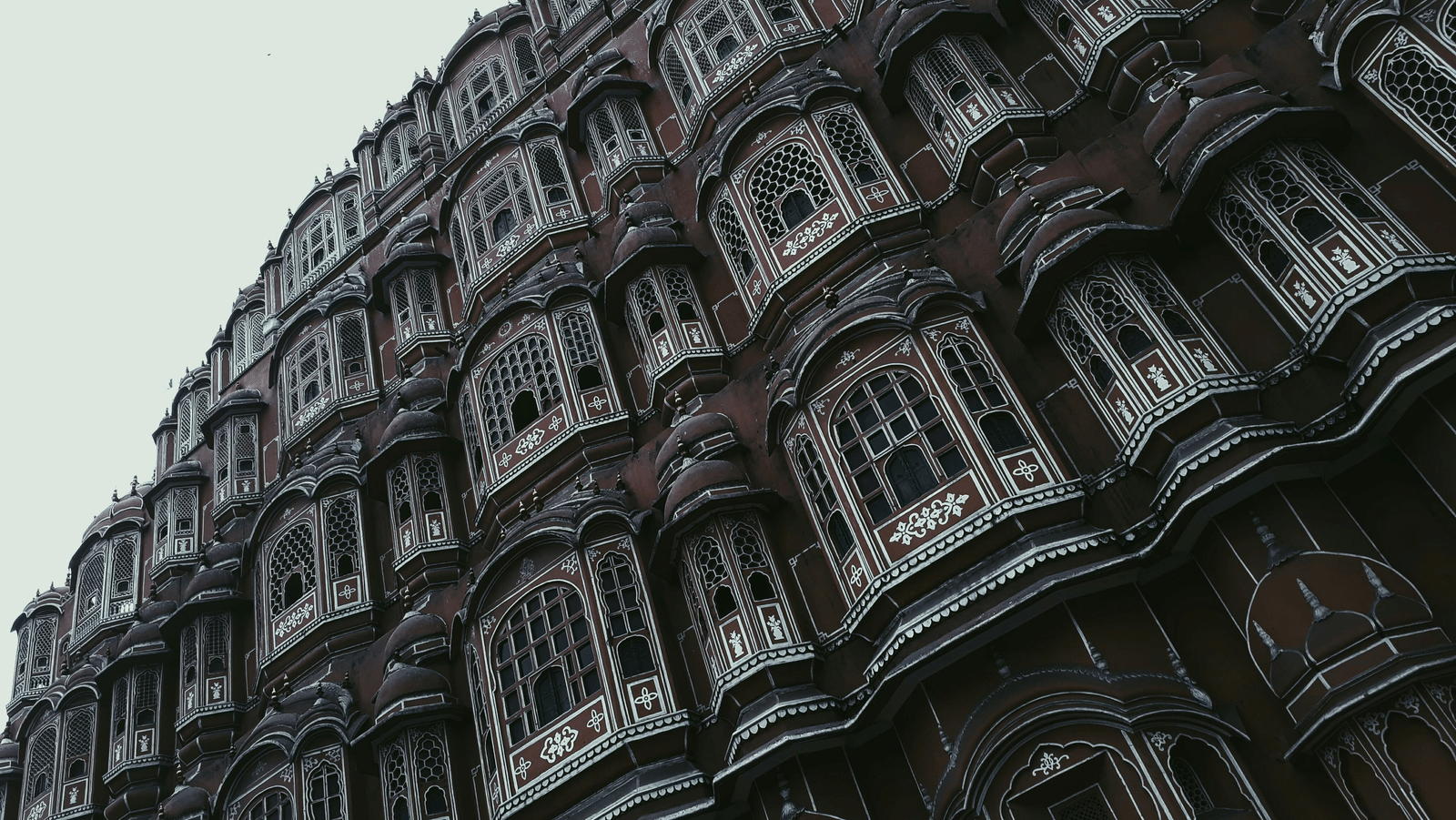
The Architectural Brilliance of Hawa Mahal
The Hawa Mahal earned its famous nickname, the ‘Palace of Winds’, due to the innovative function of its unique design. The primary purpose was not external show, but internal privacy and comfort for the royal ladies.
The facade contains an astonishing 953 small windows, or jharokhas, each finished with intricate lattice work. This dense screen allowed the secluded royal women to observe the bustling street festivals and daily life below without being seen themselves, thus adhering to the purdah system.
More importantly, these jharokhas were brilliantly designed to harness the Venturi effect. The continuous circulation of fresh air through the narrow openings ensured that cool air naturally flowed throughout the inner chambers, effectively acting as an ancient, natural air conditioning system, thus justifying its title as the Wind Palace.


Visitor Expectations and Nearby Exploration
Beyond its striking interiors and exteriors, the palace offers exceptional views across Jaipur. Families will appreciate the gentle ramps leading to the upper floors, while history and culture lovers can admire the palace’s thoughtful architecture. From these vantage points, visitors enjoy panoramic views of the City Palace, Jantar Mantar, and the lively markets of the Pink City—an experience equally rewarding for solo travellers. For photography enthusiasts, the best view of the Hawa Mahal’s iconic façade is from the rooftops of cafés and shops across the main street. Afterwards, families and culture lovers can explore nearby Bapu Bazaar and Johari Bazaar, known for traditional Rajasthani textiles, jewellery, and handicrafts.
Essential Travel Tips for Hawa Mahal
- Entry tickets are required to explore the interiors, upper floors, and museum areas of the Hawa Mahal, while the exterior can be viewed free from the street.
- The main visitor entrance is located at the rear of the palace, accessed via the City Palace complex, not from the front facade.
- The best time to visit is early morning or late afternoon to avoid crowds and heat.

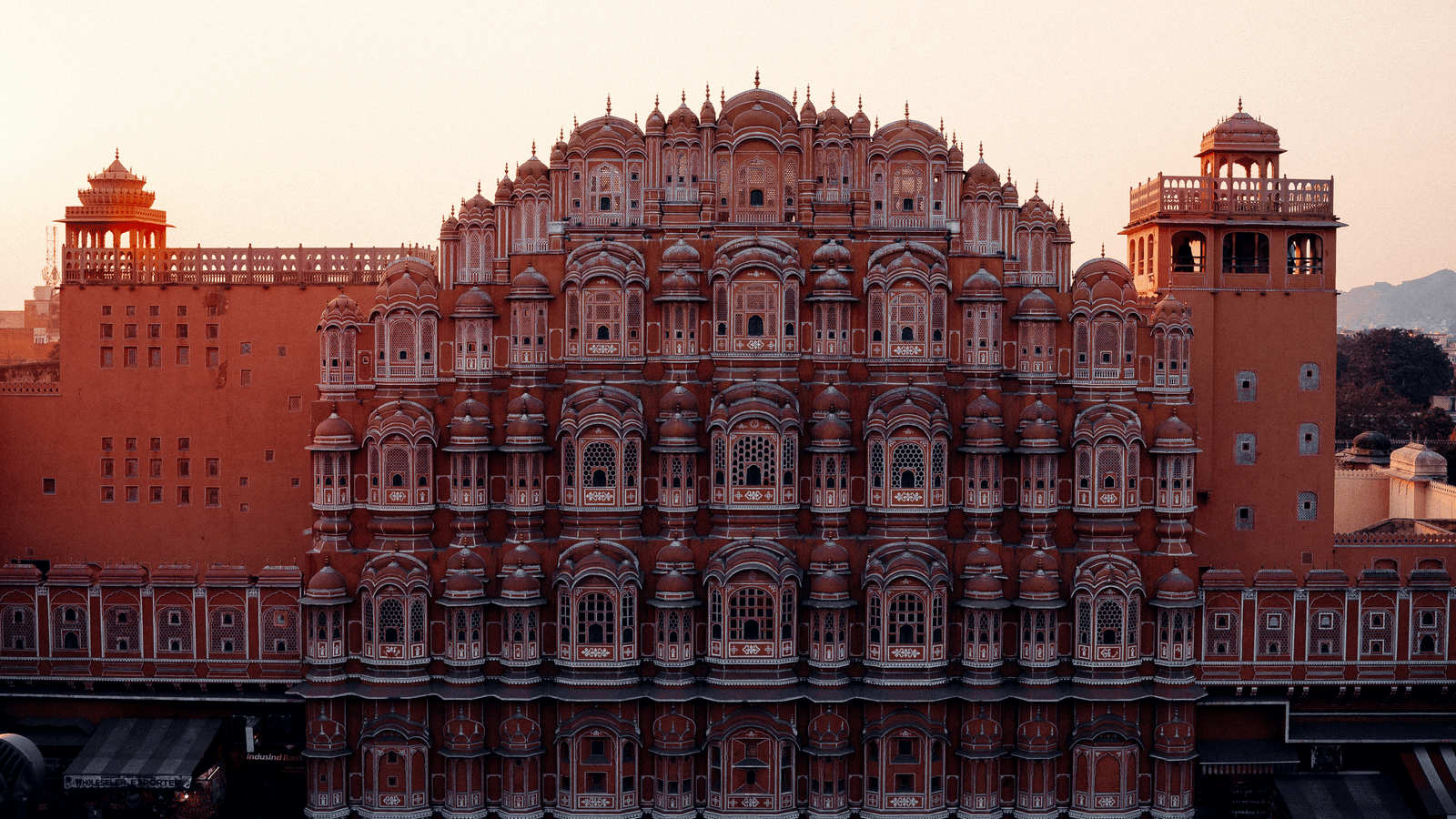
- Visitors should allow time to explore the upper floors, which offer views of the Pink City streets, City Palace, and Jantar Mantar.
- Photography is permitted inside, especially from the upper levels, making it ideal for capturing architectural details and city views.
- Wearing comfortable footwear is recommended, as the visit involves walking through corridors and climbing steps.
- It is advisable to carry water, particularly during warmer months, as Jaipur can get quite hot.
- The monument is located within the busy Pink City area, so planning transport and entry in advance helps ensure a smooth visit.
Seamless City Tour: Clubbing Major Landmarks
The Hawa Mahal is strategically located, making it easy to combine with other major heritage sites for an efficient and smooth city tour. This saves valuable commuting time and allows for a comprehensive day of exploration.

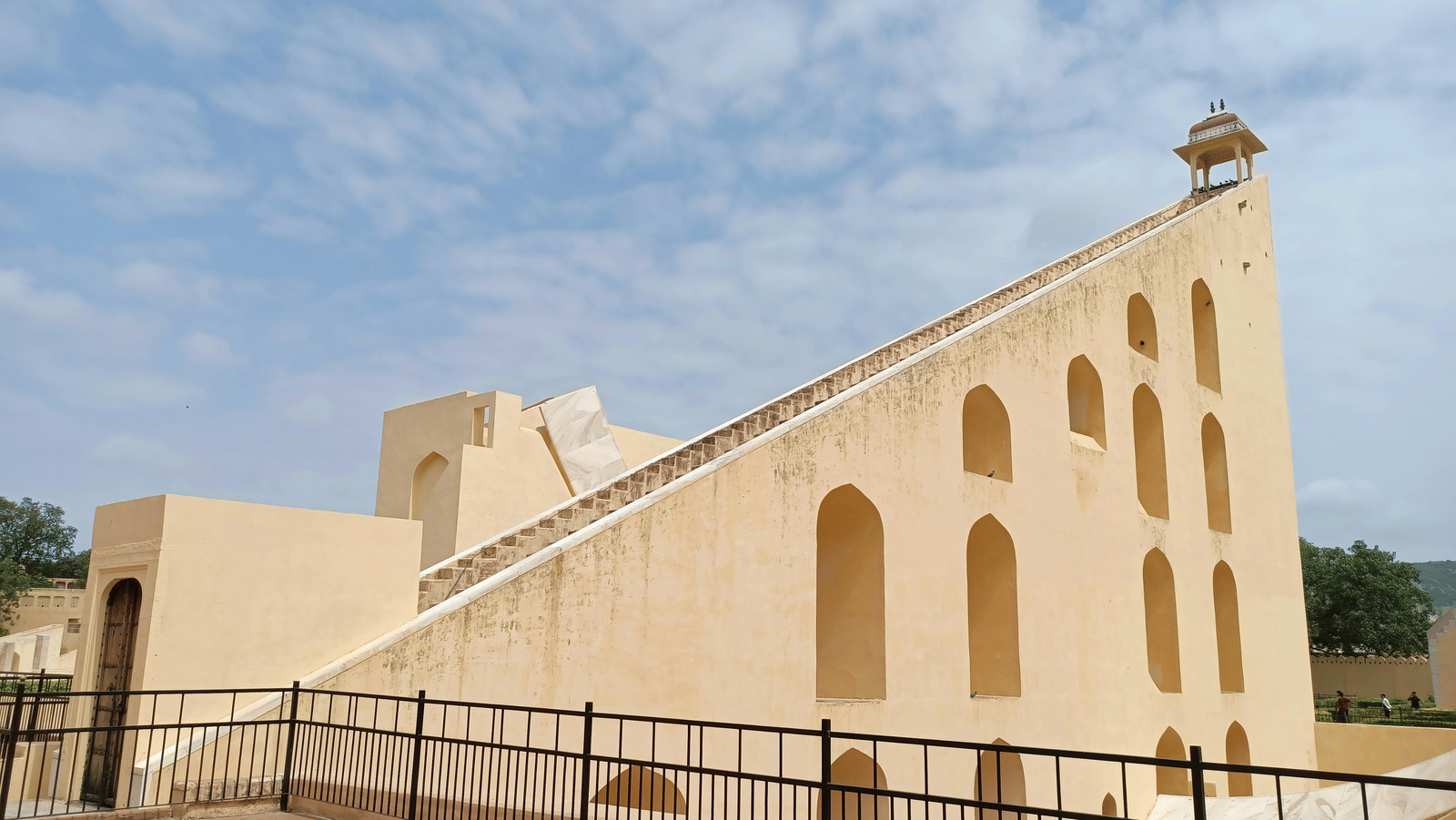
Visitors can effortlessly combine their visit with the nearby UNESCO World Heritage Site of Jantar Mantar, the magnificent City Palace complex, and the revered Govind Dev Ji Temple. All these key attractions are situated within close proximity to the Wind Palace, forming a compact and fascinating heritage circuit.
Dileep Kothi; The Seamless Heritage Stay
For travellers seeking luxury, comfort, and unparalleled access to Jaipur’s most iconic landmarks, including the Hawa Mahal and Dileep Kothi, Jaipur offers the perfect residential choice. Staying here transforms a city tour into a seamless and deeply memorable experience. The hotel is at a distance of approximately 5 kms from the Hawa Mahal, and it takes almost 20 minutes to travel between the places.
)

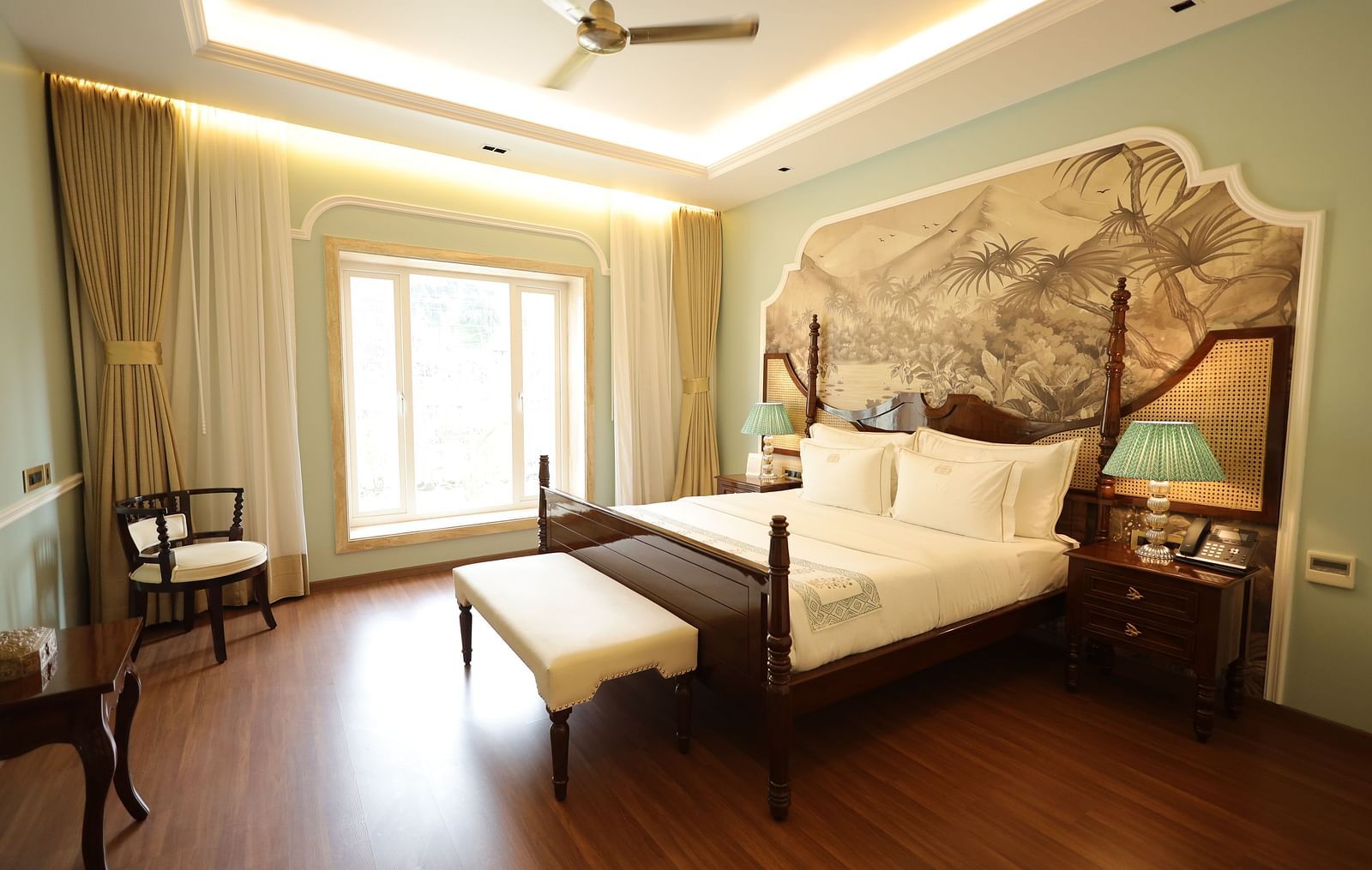
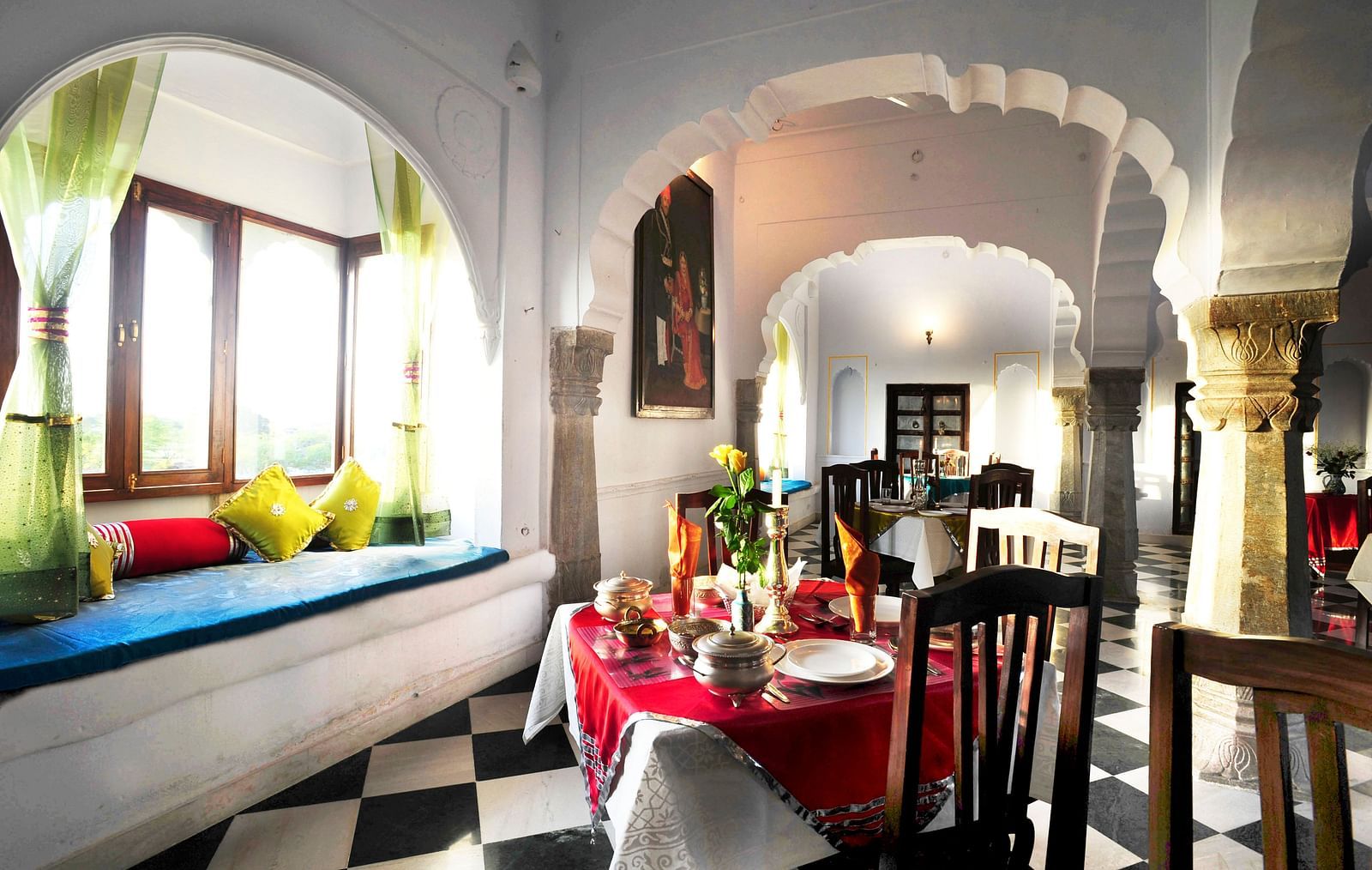
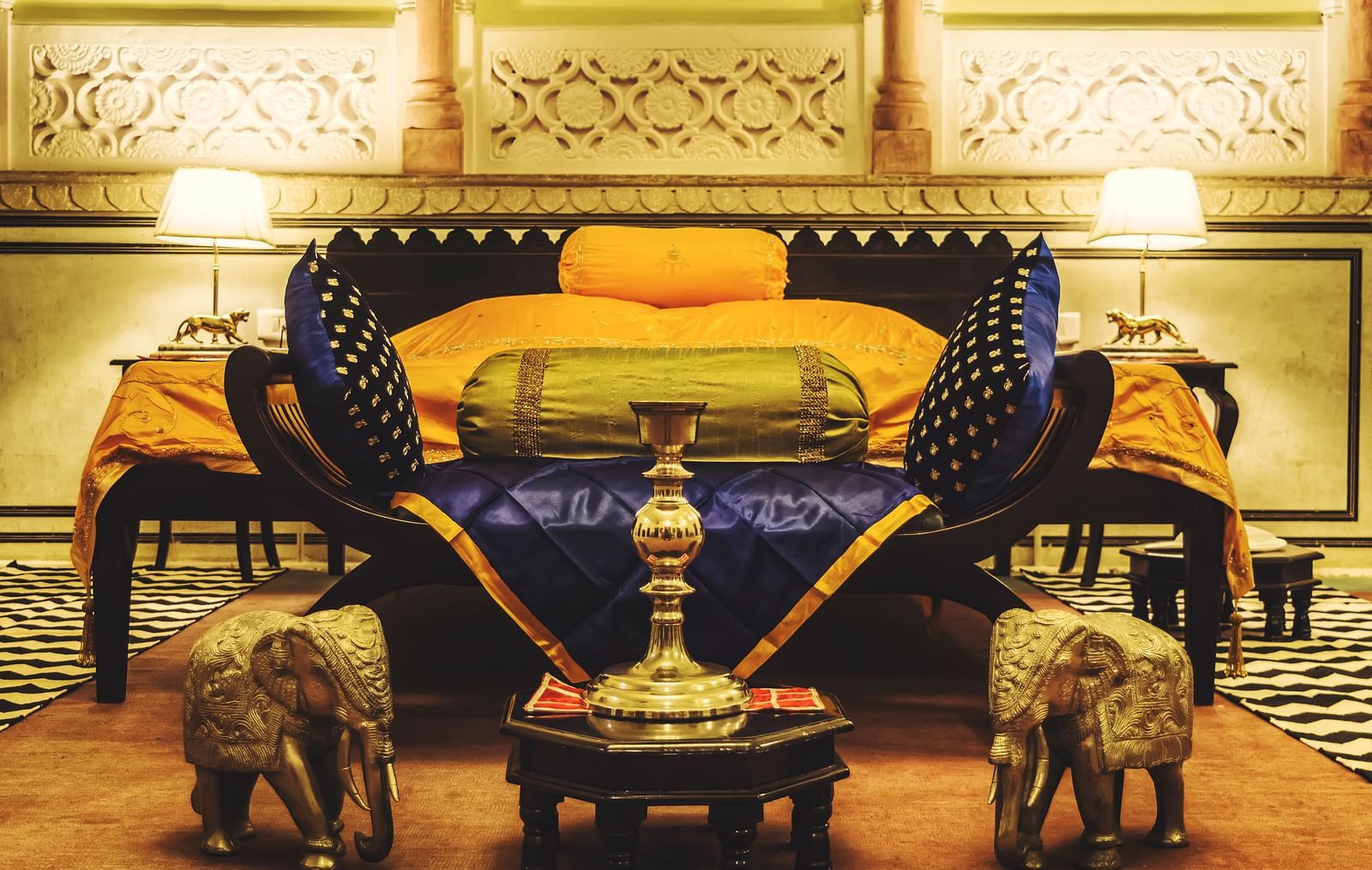
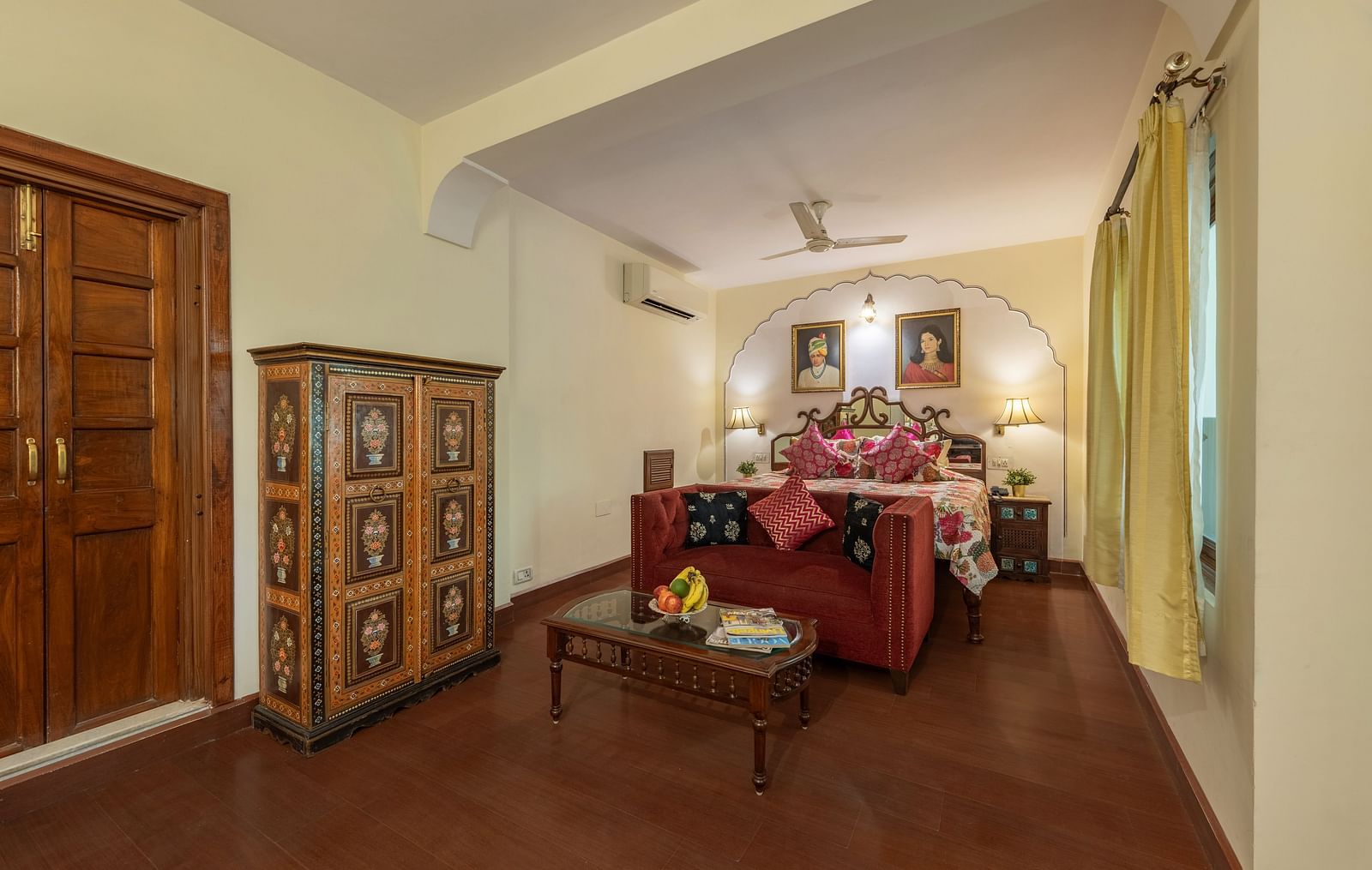
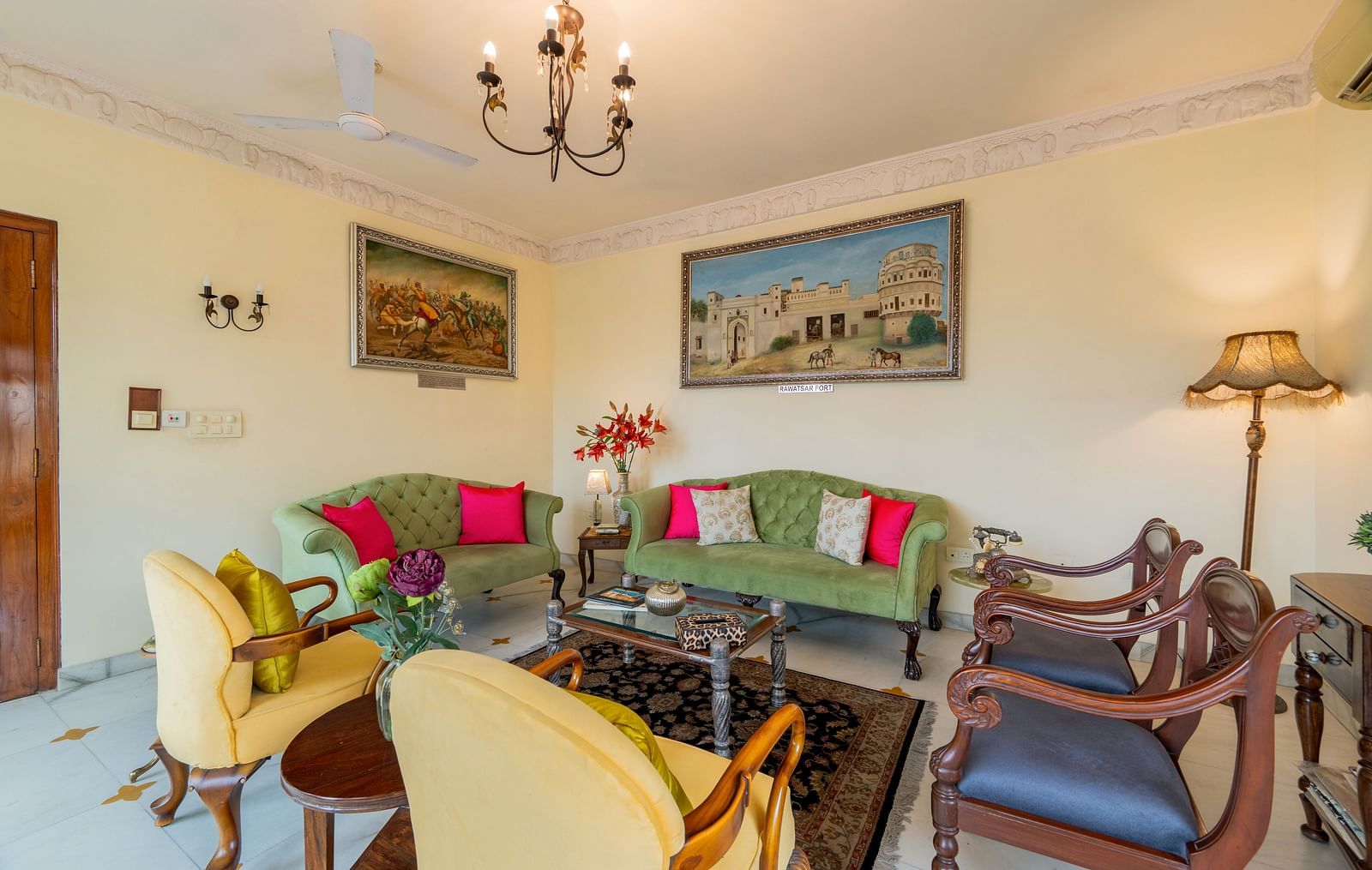
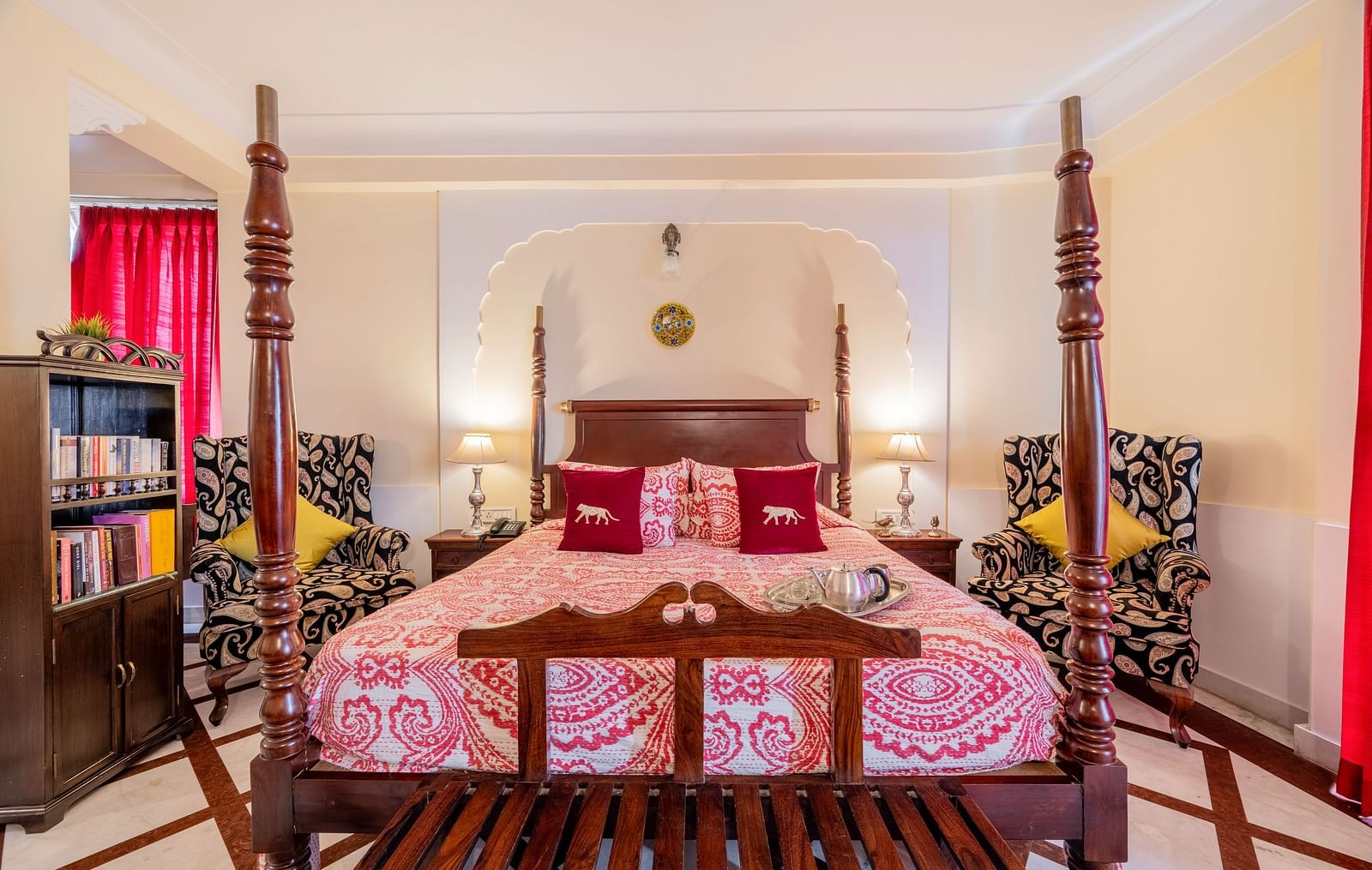
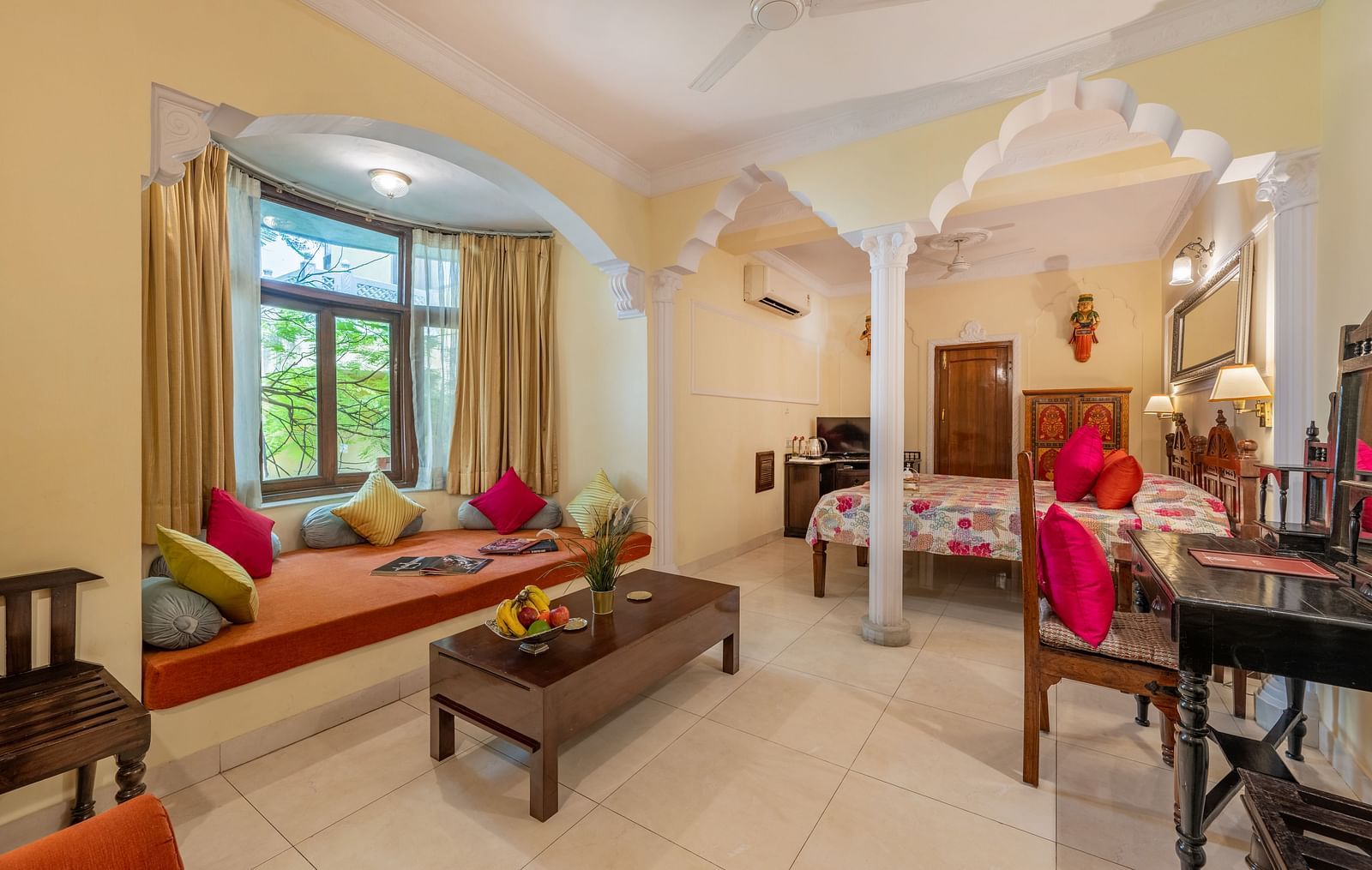
Dileep Kothi, Jaipur, offers luxurious rooms and suites that flawlessly blend heritage charm with contemporary comfort and modern amenities. Guests can enjoy exquisite dining experiences that present both the authentic flavours of Rajasthani regional cuisine and refined global dishes. The property boasts a central location providing close proximity to Jaipur’s key attractions, complemented by impeccable services and warm, personalised hospitality.