The 18th century brought turbulent times as marauding Marathas swept through Rajasthan. For years, Fort Barli found itself under Maratha rule, forced to pay taxes to these powerful invaders. Coming from such an illustrious lineage, it is not surprising that the rulers of Barli were great legendry warriors. Darbar Lal Singh ji of Barli was famous for his valour and chivalry against the Marathas. However, it was only when British supremacy was established were the Marathas driven away, ushering in a more peaceful era where the fort administered the local area for the British, enjoying relative autonomy in exchange for their support and tax collection duties.
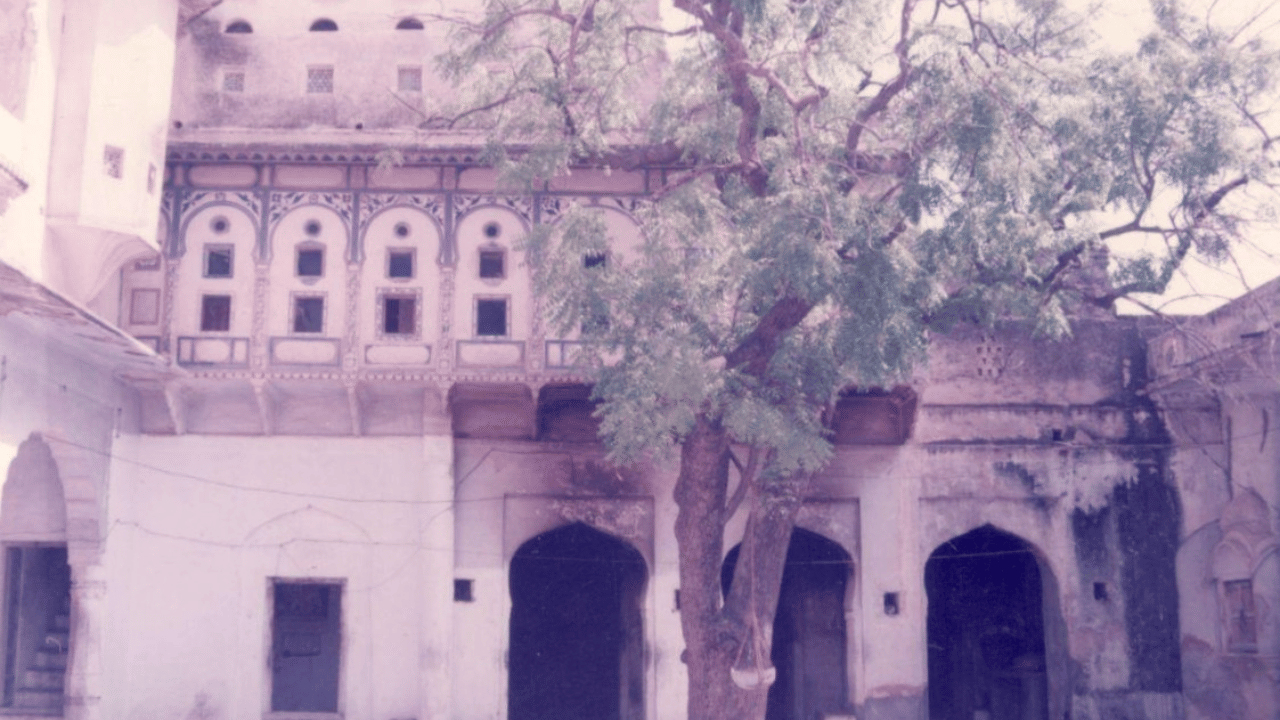
Like many royal houses across India, 1947 brought profound change to Fort Barli. India's independence meant the end of official support for royal families, who lost their titles, land, and wealth overnight. For many minor royal families, these were particularly challenging times. By 1965, Darbar Narendra Singh ji was the final occupant of Fort Barli before he and his family had relocated to Jaipur, returning only occasionally for summer holidays, harvest celebrations, and festivals they were expected to attend. The fort was largely shuttered, with only a few rooms in use, and like many abandoned palaces, it began its slow descent into neglect and disrepair.
_6c6c8485)
The 1990s, however, brought an unexpected renaissance. As tourism to Rajasthan flourished, many royal houses opened their palaces as hotels, offering curious visitors glimpses into authentic maharaja life. In the early 2000s, Anirudh, who was already running Dera Rawatsar, recognized that Fort Barli could join this heritage hospitality movement. After convincing initially reluctant family members through sheer perseverance, the monumental renovation work began. Reflecting on those early days, Anirudh admits that if someone offered him a free fort to renovate today, he would decline - such were the complexities, bureaucracy, and sheer exhaustion of those challenging years.
The obstacles seemed insurmountable. The fort had electricity for only five hours daily, forcing workers to rely on generators for the remainder. Through sheer determination and persistent lobbying of government officials, electricity finally reached Barli in 2012, benefiting not just the fort but the entire village. Perhaps most memorably, the fort's main inhabitants were thousands upon thousands of bats - some rooms housed up to 20,000 of them. The smell was unimaginable, and clearing them required hiring local village boys to come nightly, shooing the bats away room by room.
_a84829cd)
_a4f3ec6f)
Water supply required digging bore wells, though the village eventually received municipal water. The treacherous 10-kilometer road to Barli was narrow and bone-rattlingly uneven, making city travel a slow ordeal until it was eventually widened to three times its original size. Skilled workers - carpenters, electricians, artisan builders, and plumbers - had to be brought from cities and housed at Fort Barli for eight months or more as the restoration progressed. Slowly, painstakingly, modern infrastructure became reality while preserving the fort's ancient soul.
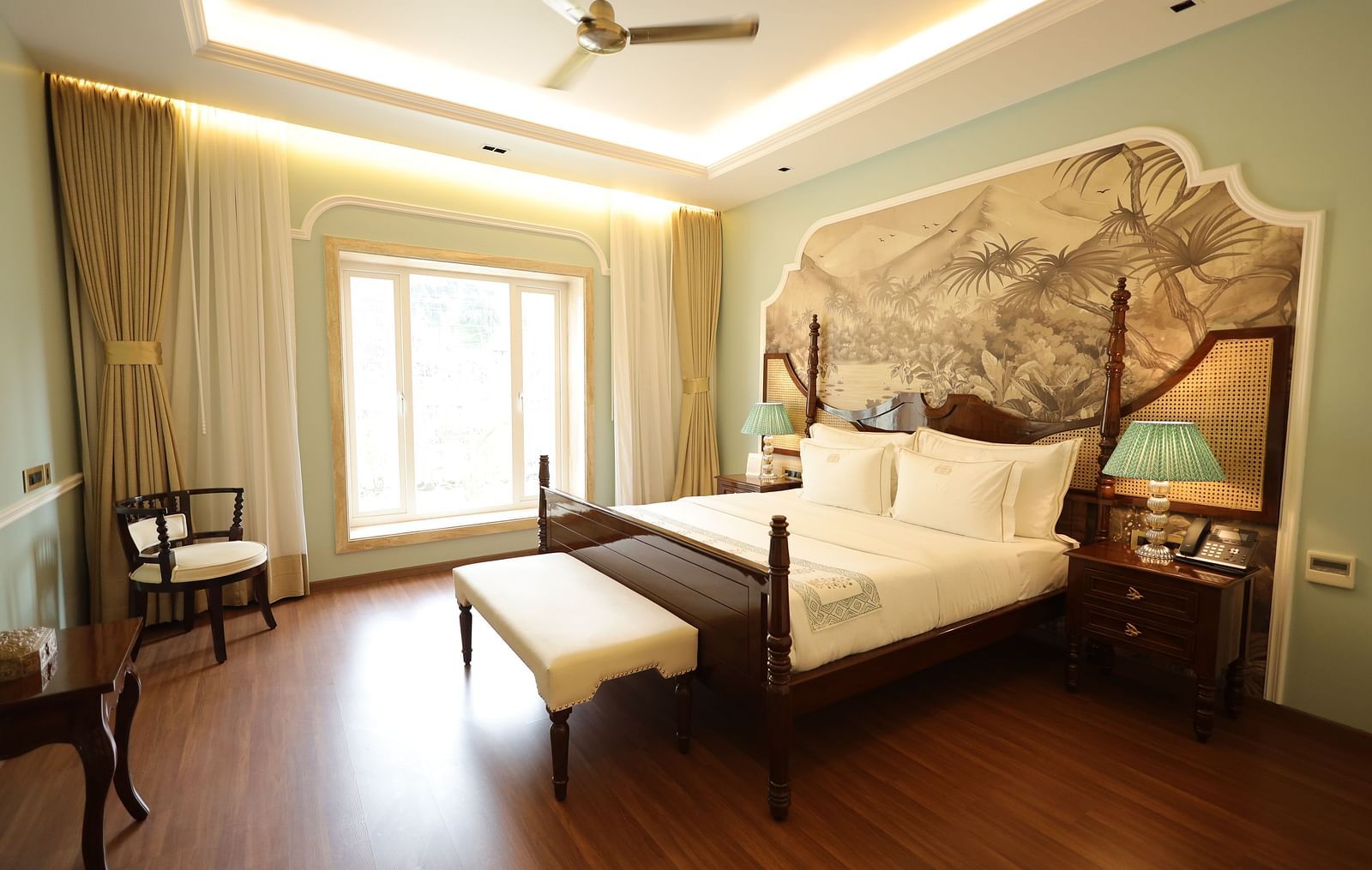
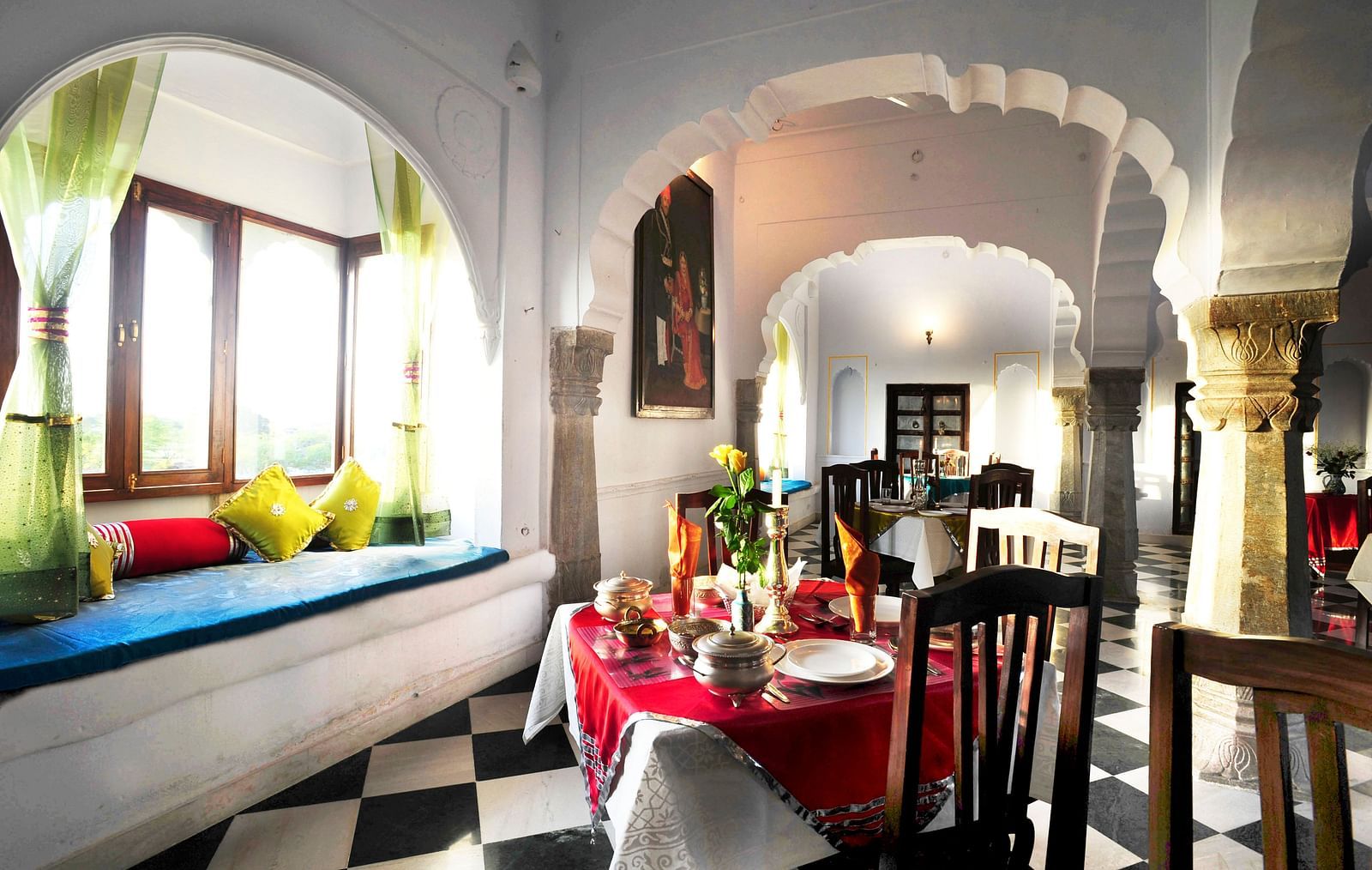
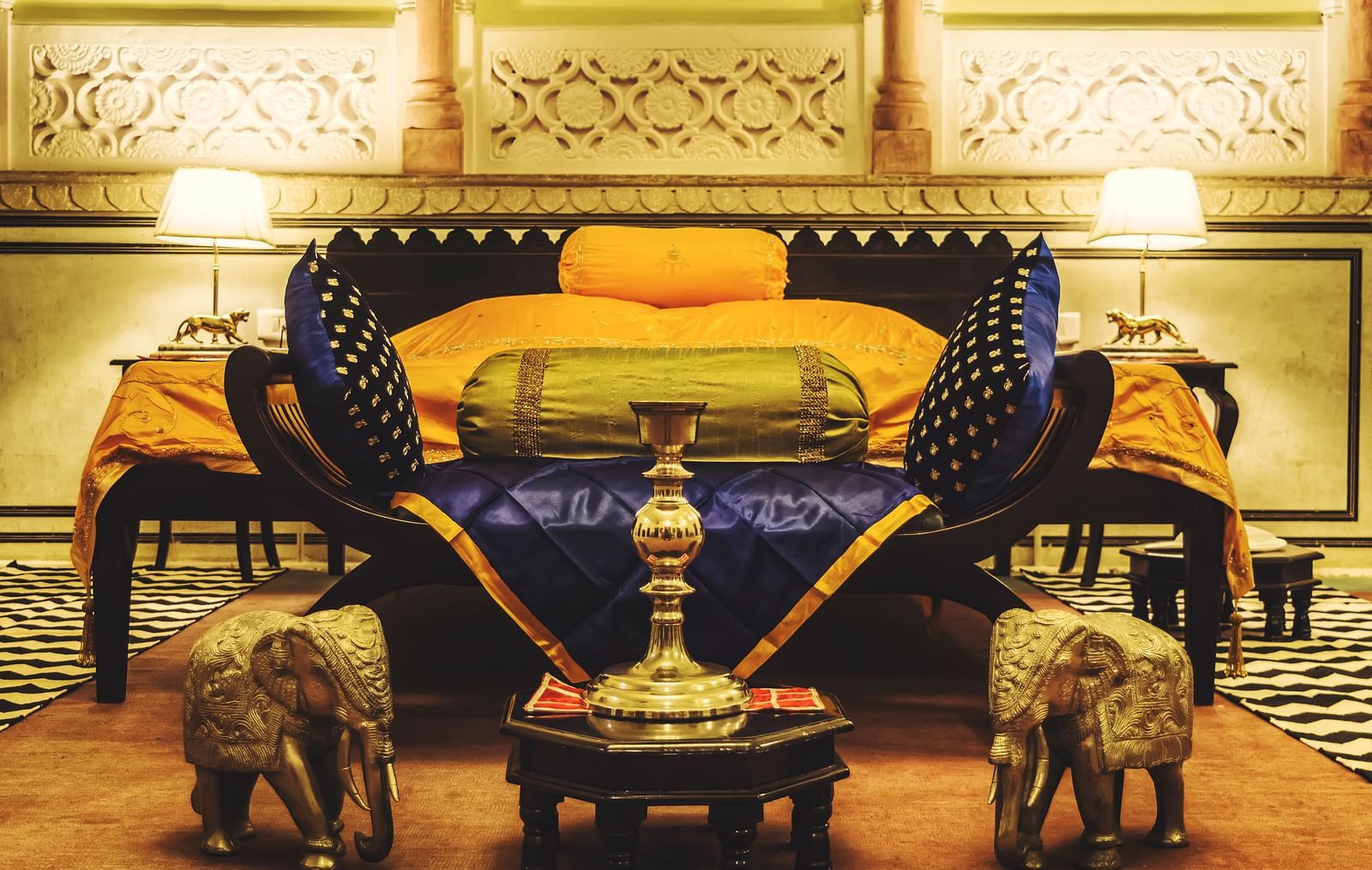
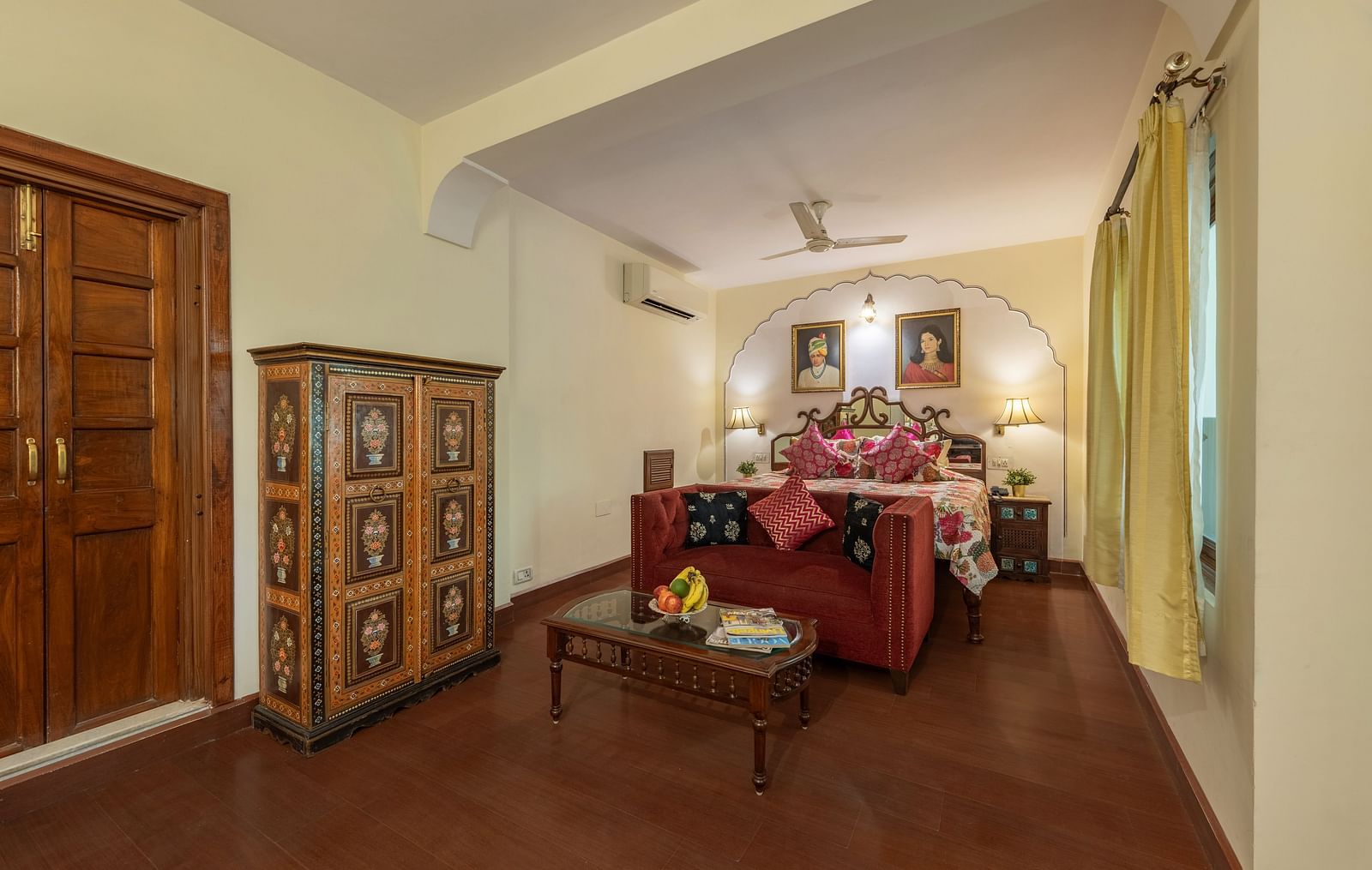
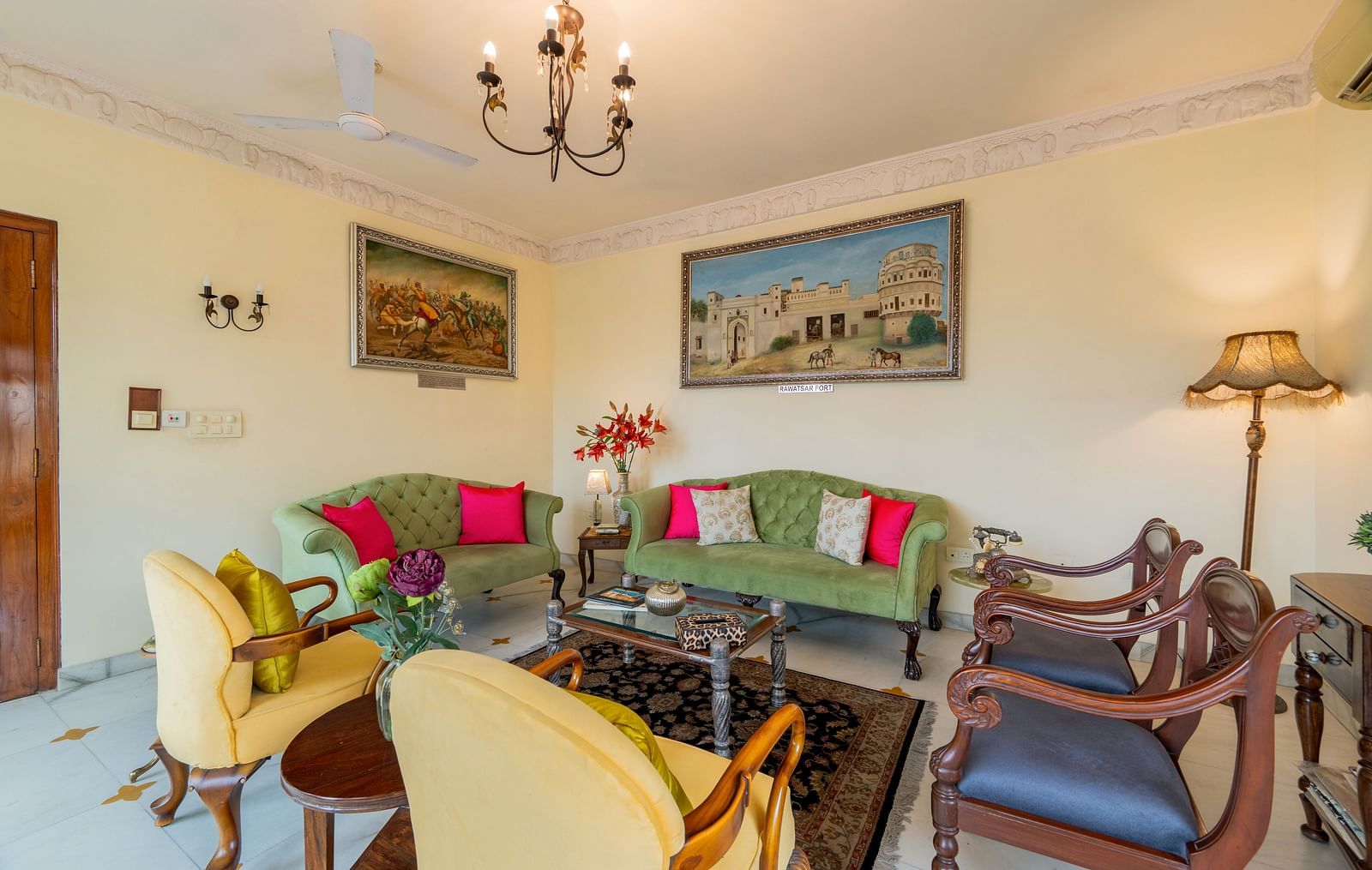
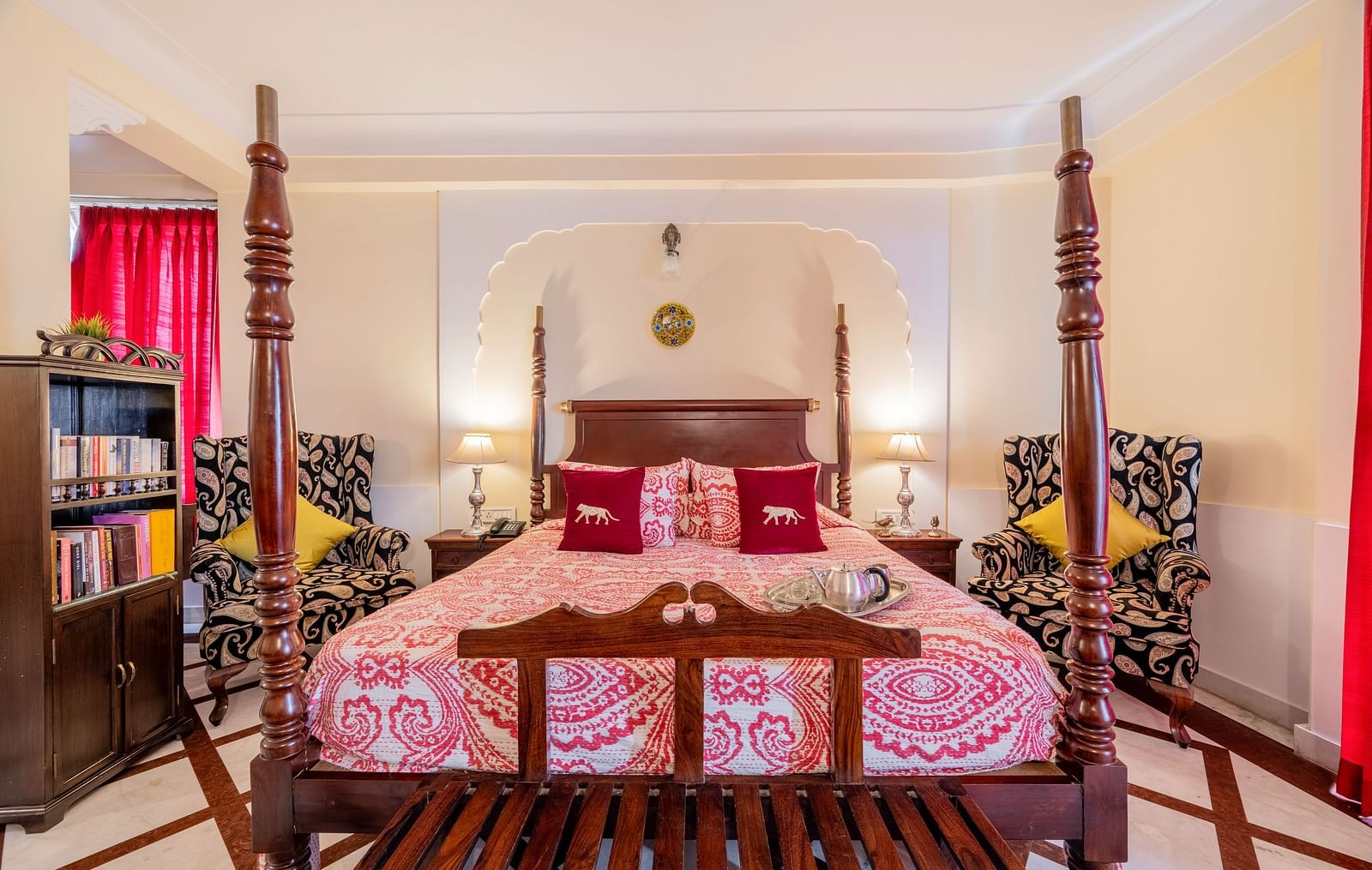
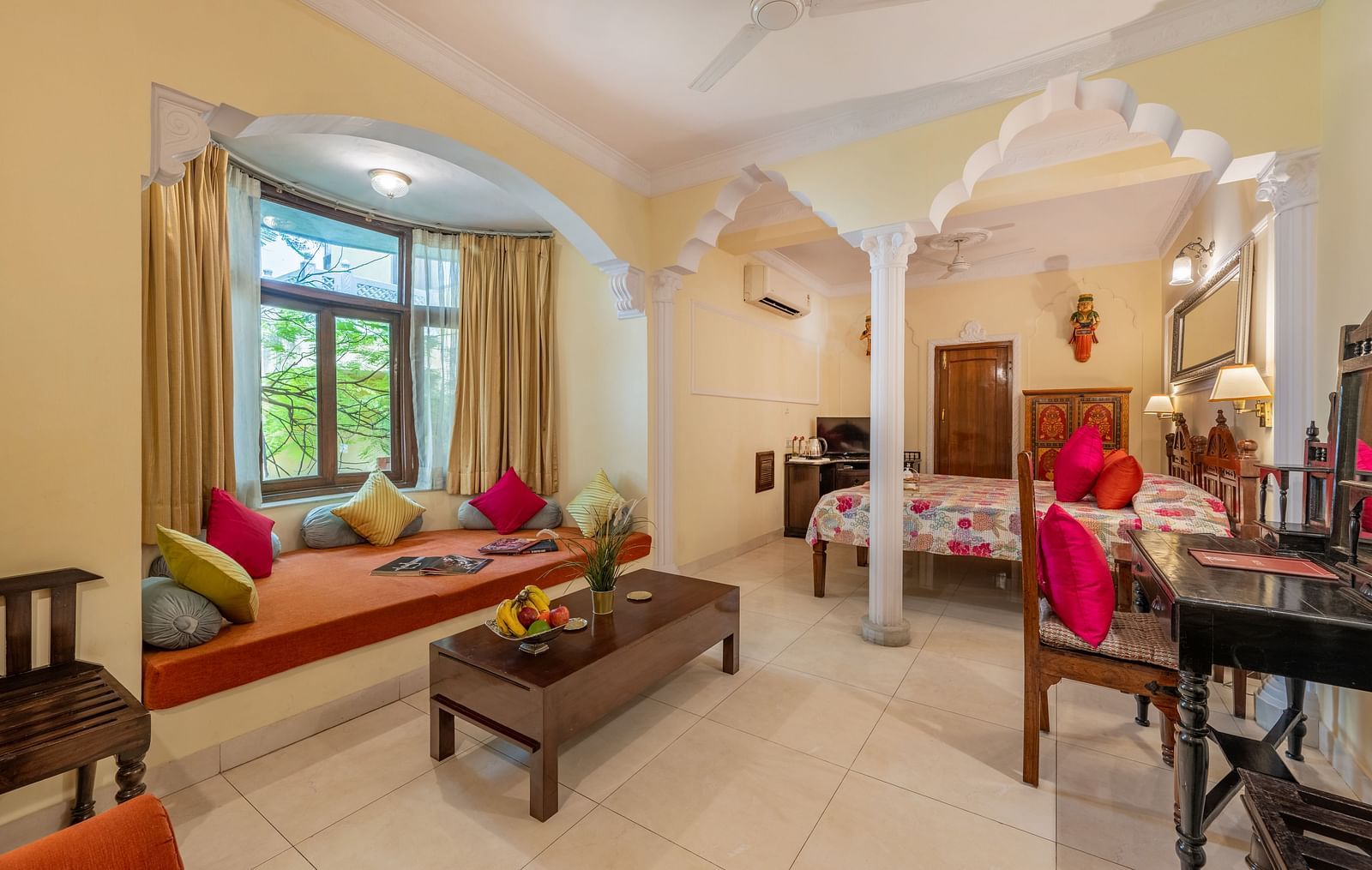
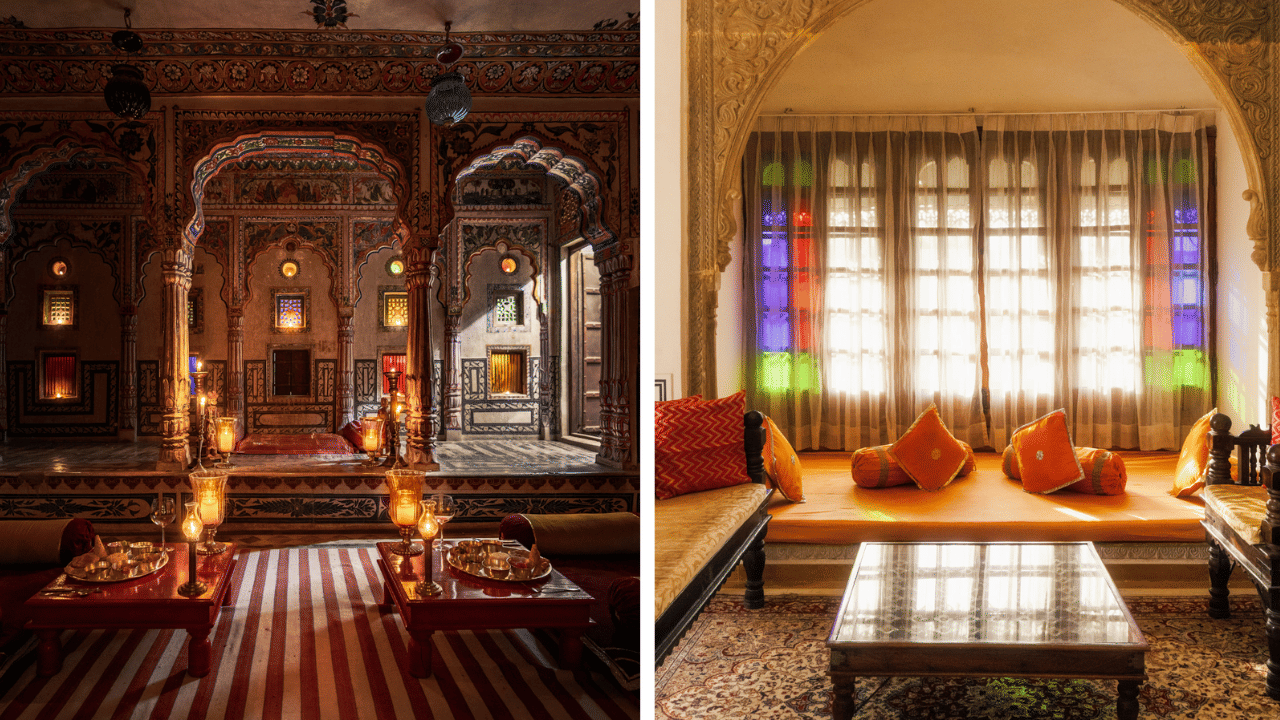
The hotel's soft opening in 2010 featured just five rooms, a dining room, and reception area. Today, Fort Barli boasts eight uniquely designed and furnished rooms, each telling its own story while maintaining the property's authentic character.
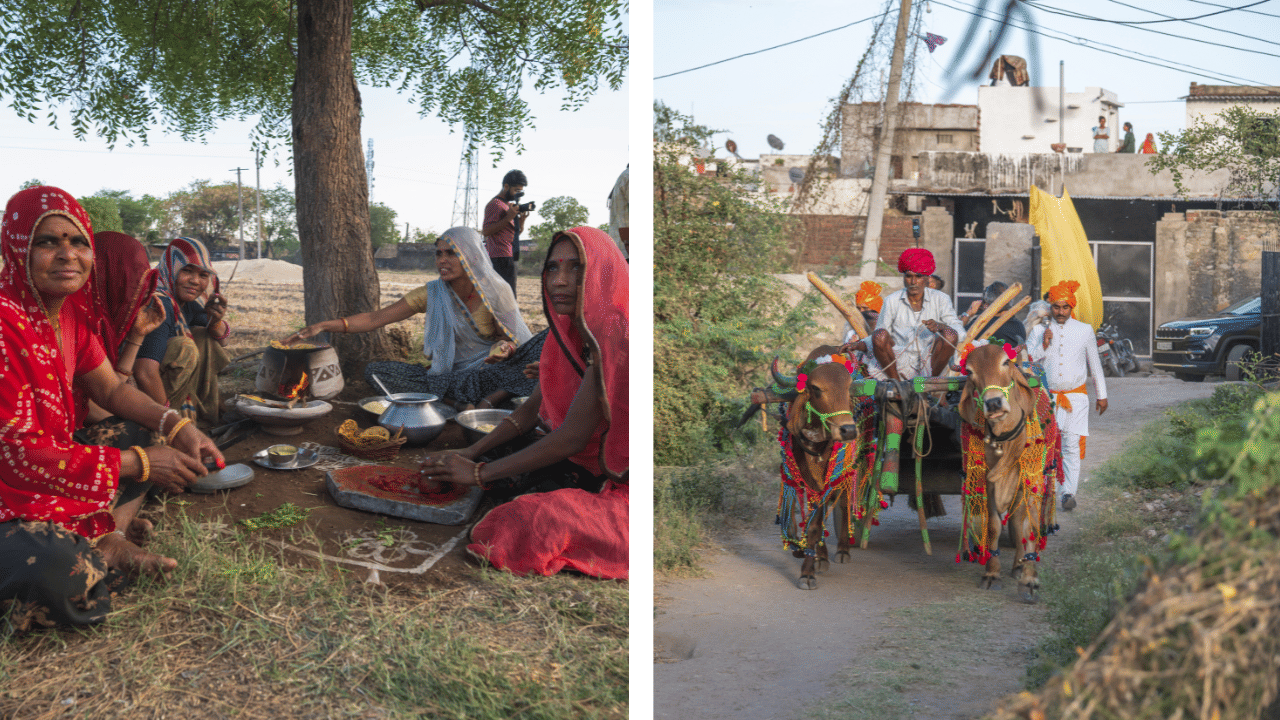
The village of Barli, with its 4,000 inhabitants - mostly farmers - has remained remarkably stable. Unlike many rural communities, young people haven't fled en masse to cities. Before Fort Barli opened as a hotel, villagers had never encountered foreigners. Today, fifteen years later, they still delight in meeting international guests, and the fort ensures these interactions remain respectful and meaningful rather than intrusive.
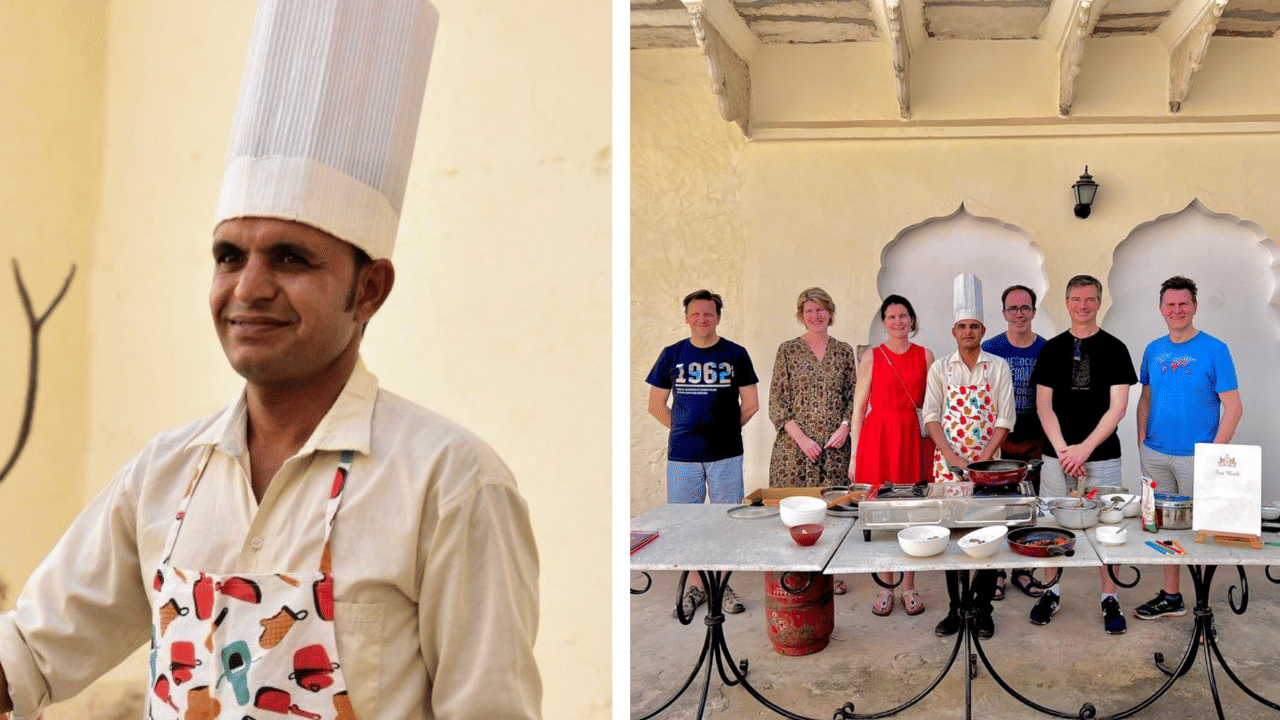
Local employment has been integral since inception - the chef has been creating mouthwatering family recipes from the very beginning, preserving culinary traditions alongside architectural ones.
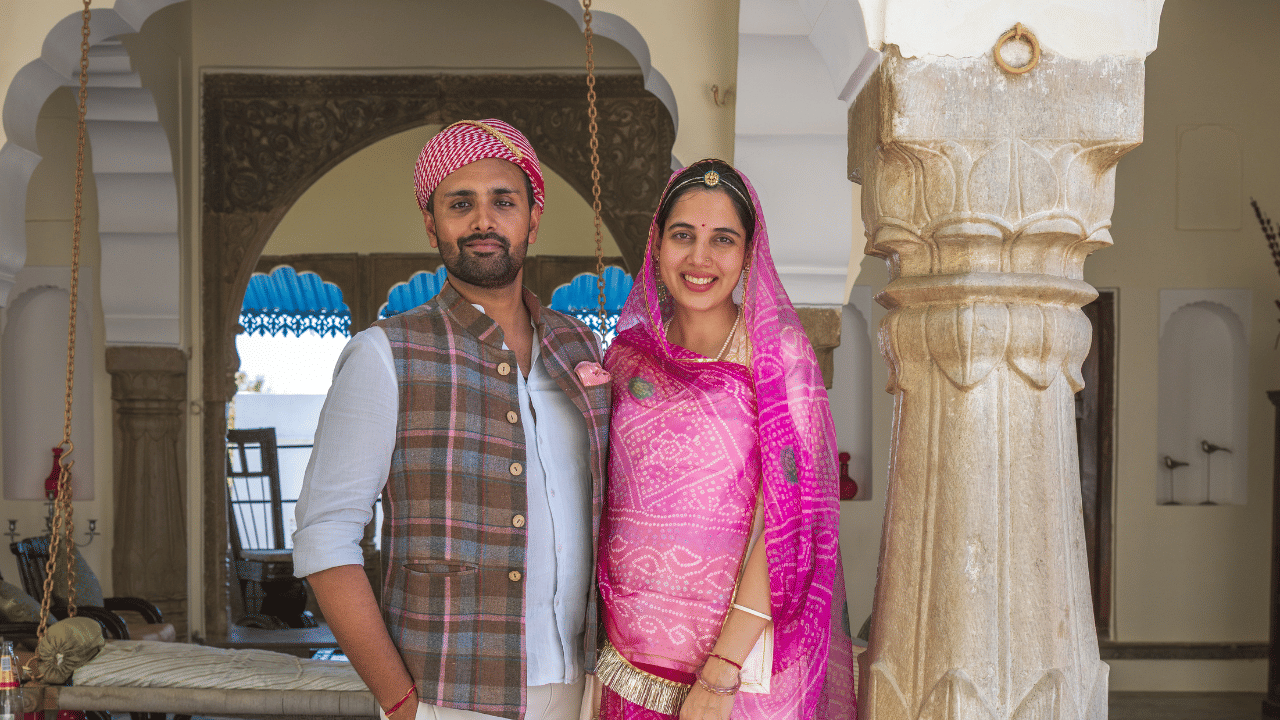
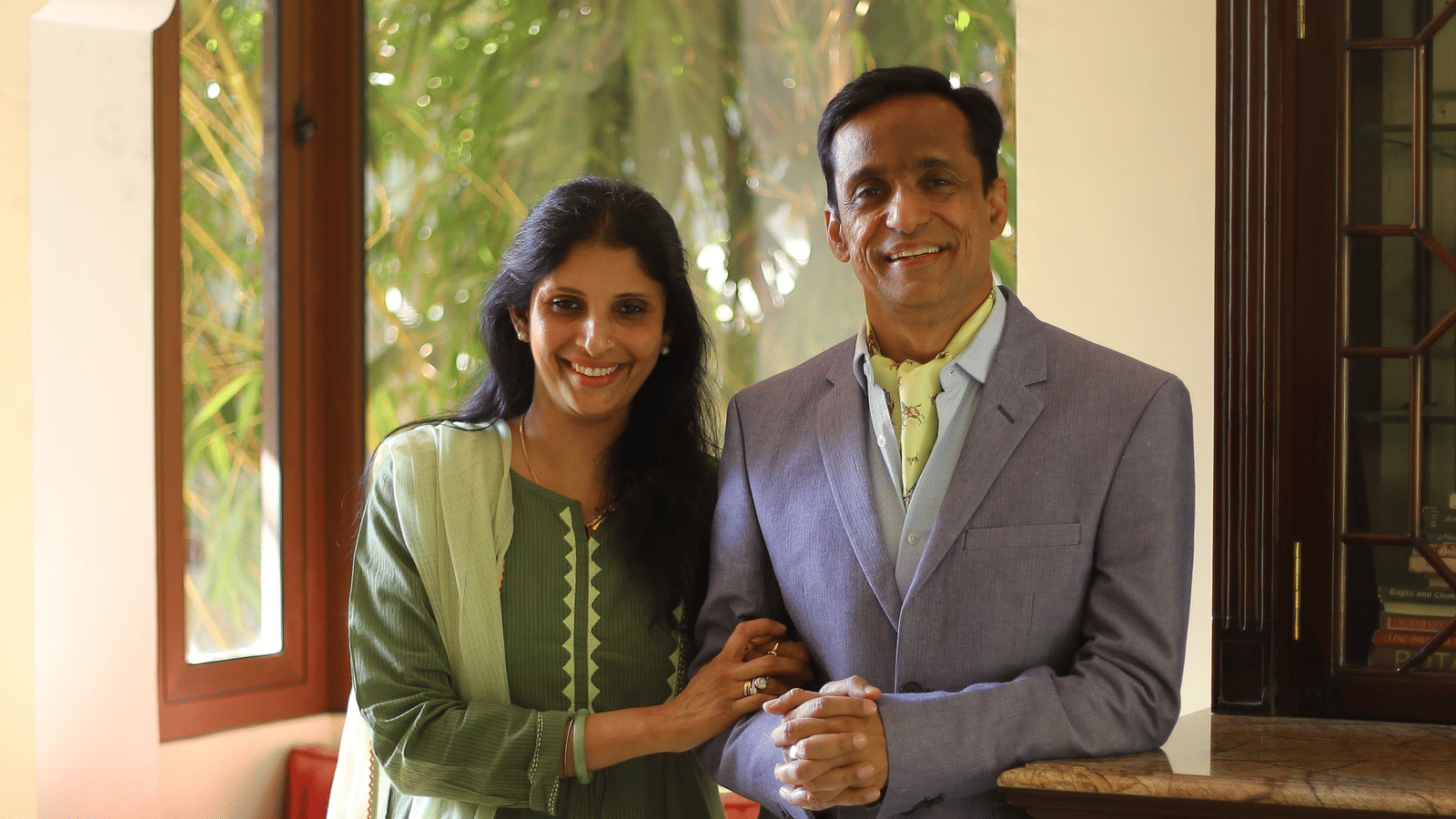
Three years ago, a new generation assumed stewardship when Divyaraj and his wife Nityasri took over hosting duties from Anirudh. This young, dynamic couple has brought fresh vision while respecting the fort's heritage, fine-tuning furnishings and guest experiences. They've embraced their life at Barli wholeheartedly, and recently welcomed a new family member - adding another generational layer to Barli's continuing story.
As Fort Barli marks 350 extraordinary years, it stands not just as a monument to the past, but as a living testament to the power of preservation, passion, and the enduring magic of Rajasthani hospitality.
To boom your stay at Fort Barli:
Email: reservations@fortbarli.com
Phone: +91 14 1220 0770
Website: www.sawaihospitality.com
_13b1481c)