Home > Attractions > Ajmer

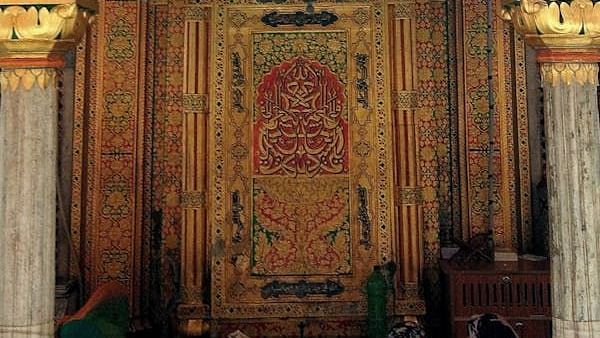
Ajmer Dargah Sharif
The shrine of Khwaja Moinuddin Chishti is one of the most revered places to visit near Ajmer, where faith, history, and devotion seamlessly blend, filled with the melodies of Sufi qawwalis and the fragrance of incense. It is a sacred space where the prayers of millions create an atmosphere of pure spiritual energy.
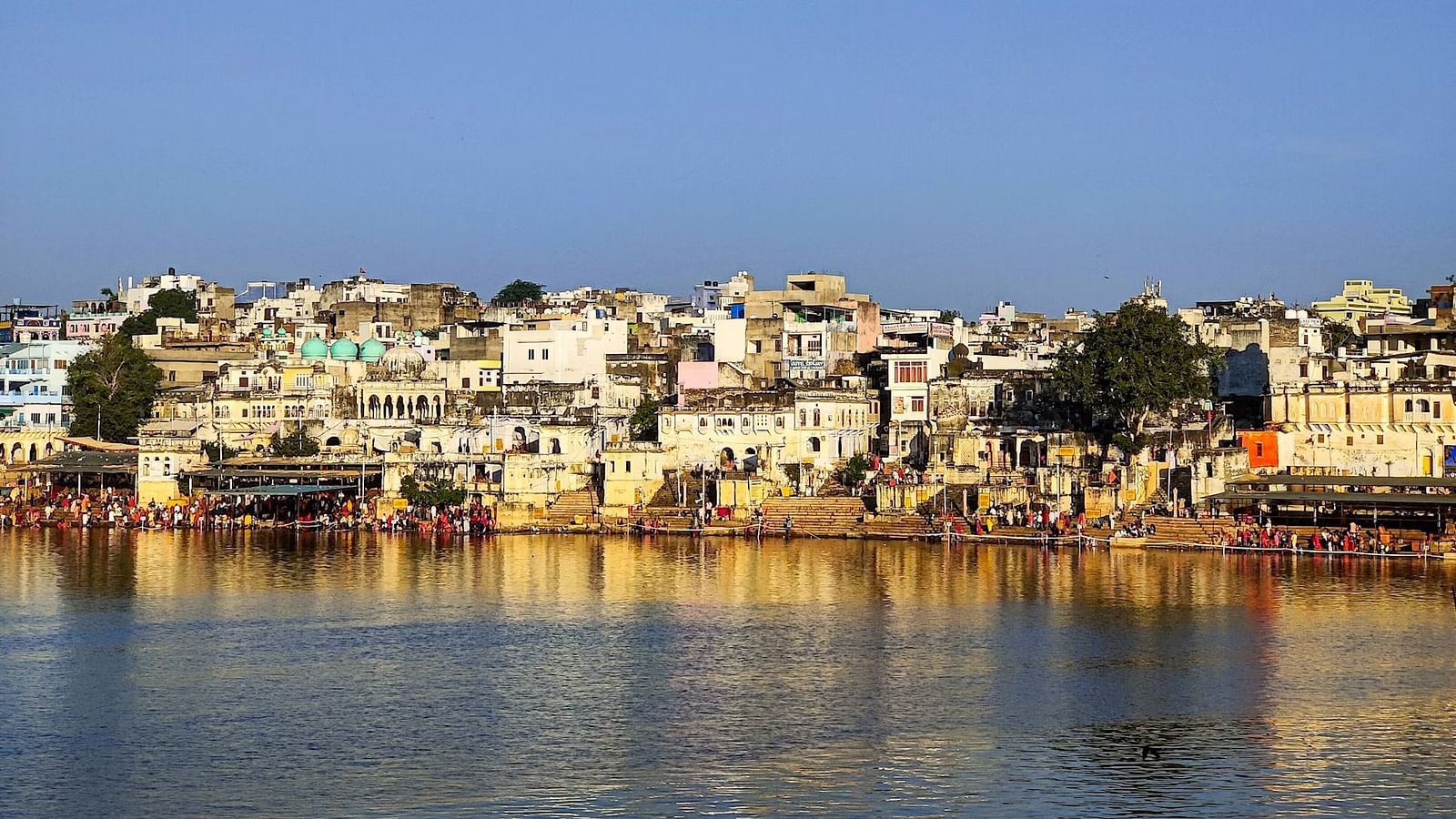
Pushkar
Rich in legend and history, Pushkar is a holy town nestled among hills, renowned for its serene lake and timeless temples. Home to the world’s only Brahma Temple, it captivates both pilgrims and travellers with its deep spiritual aura and vibrant cultural traditions.
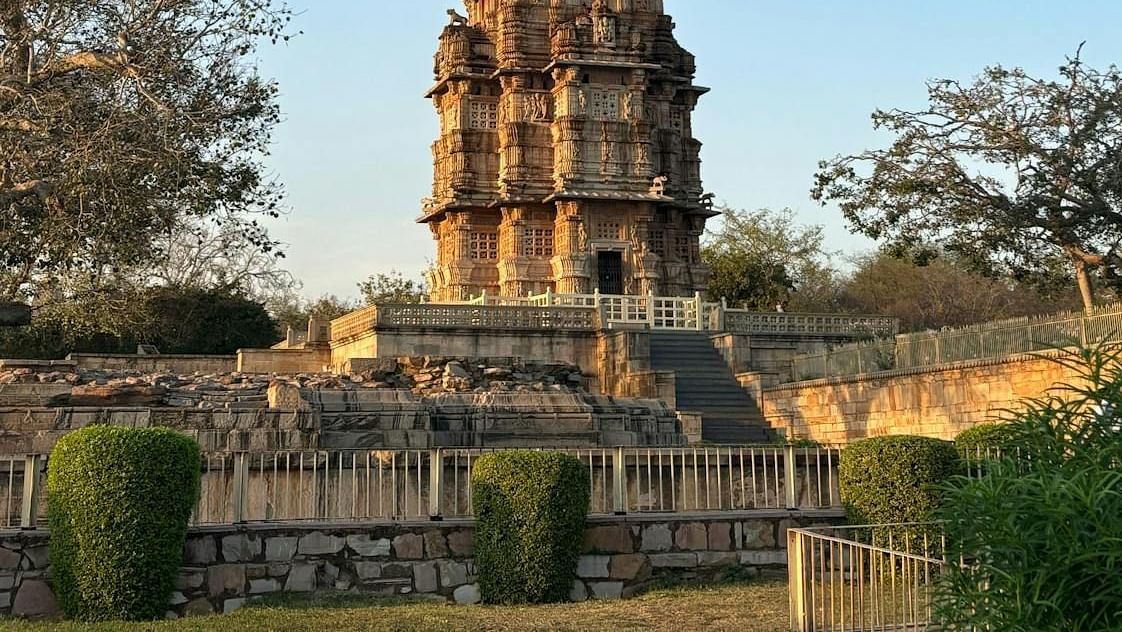
Chittogarh
Chittorgarh Fort is a UNESCO World Heritage Site and the largest fort in India, approximately two and a half hours from Fort Barli. It served as the seat of the Mewar kingdom and witnessed three legendary sieges. The fort contains 65 historic structures, including palaces, temples, and the iconic Vijay Stambha victory tower.
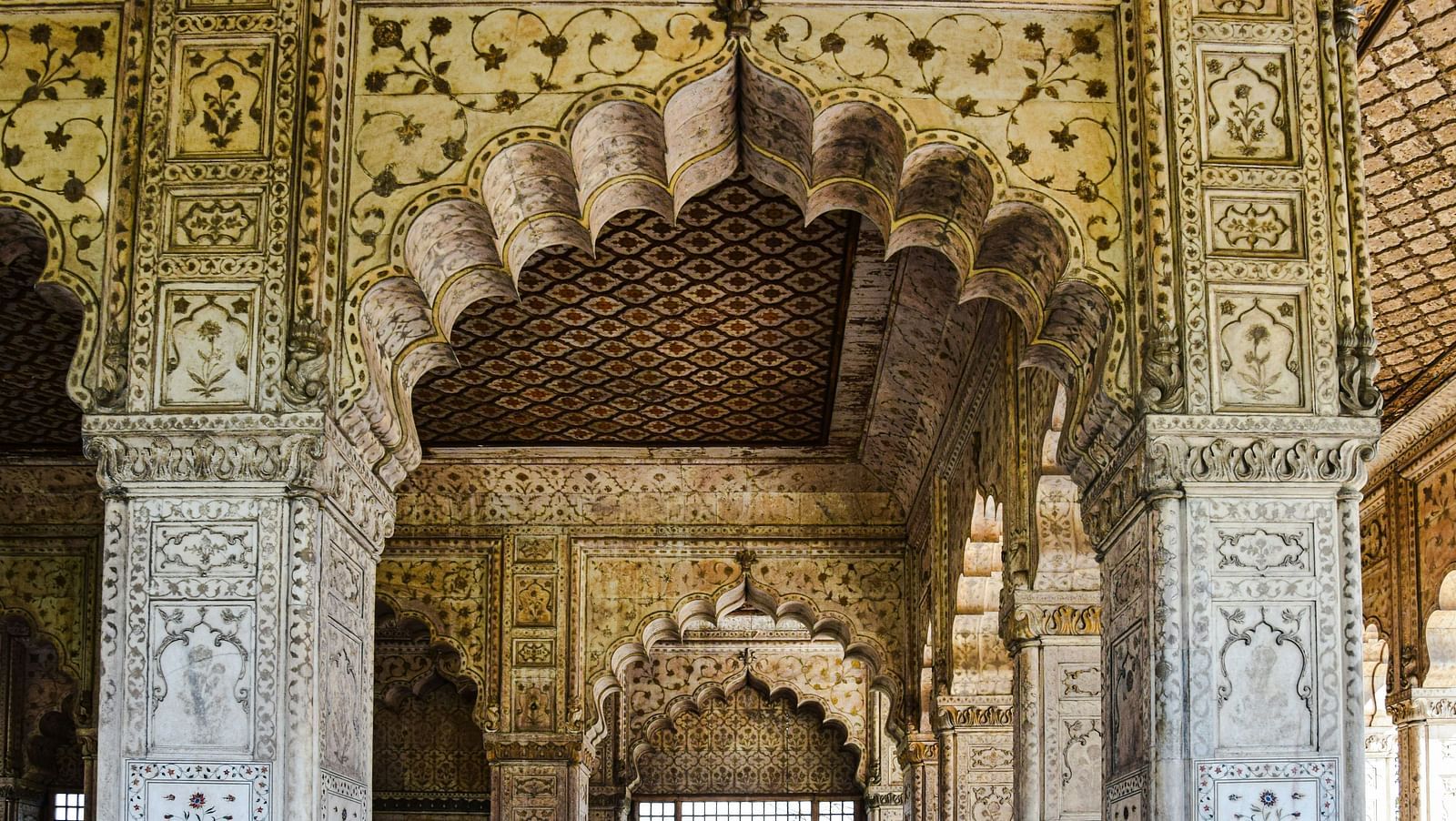
Taragarh Fort
A timeless fortress standing tall with stories of Rajput valour and grandeur. Wander through its ancient ramparts and enjoy panoramic views of Ajmer’s bustling cityscape—an iconic gem among the must-see places to visit near Ajmer.
Deomali
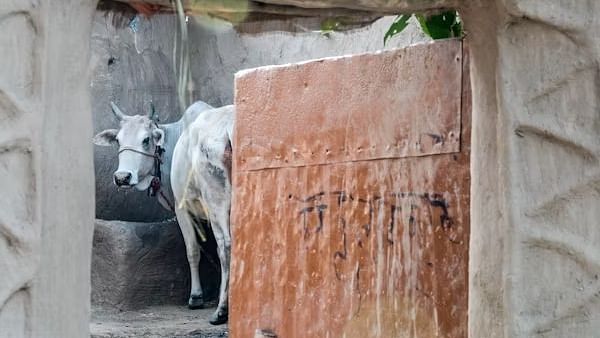
Located in the Beawar district, Deomali is a village steeped in age-old traditions, where rustic mud houses reflect its distinct character. Inhabited by the Gurjar community, it holds a deep spiritual connection to their clan deity, Devnarayan, keeping cultural heritage alive through generations.
_ec4744b8)
Block Printing, Deolia
In the picturesque village of Deomali, Rajasthan, the age-old craft of Dabu block printing thrives, with "dabanna" – meaning "to press" – breathing life into fabric. Women from the Jat, Gujjar, and Gadariya tribes masterfully combine traditional mud-resist methods with vivid storytelling, producing textiles that embody the essence and heritage of this enduring village.